

Protocol vs. Streaming Service: A Fundamental Distinction
Confusion is common, yet the distinction is essential. A streaming service (Spotify, Qobuz, Apple Music) hosts the music. An audio streaming protocol, on the other hand, is the “pipe” that carries the audio signal from the source to your speaker. AirPlay 2, Spotify Connect, Tidal Connect, Google Cast, or Roon Ready: each one transmits audio differently.
There are two main opposing approaches. Local streaming routes the audio through your phone before sending it to the speaker via Wi-Fi. Cloud Direct Play, on the other hand, turns your smartphone into a simple remote control: the speaker retrieves the stream directly from the service’s servers.
This choice directly affects the final audio quality, your mobile device’s battery life, and your system’s multiroom compatibility. Here’s an overview of the five protocols that matter in 2026.
AirPlay 2: Apple's standard—powerful but limited in resolution
AirPlay 2 operates in peer-to-peer mode: audio is sent from an iPhone, iPad, or Mac to the speaker via your home Wi-Fi network. The Apple device remains at the center of the system; this is not a direct connection to the streaming service's servers.
This is where a little-known paradox lies. Apple Music offers lossless content (ALAC up to 24-bit / 192 kHz). However, as soon as you use AirPlay 2 to stream this content to a speaker, the signal is recompressed to AAC at 256 kbps. The lossless quality promised by Apple Music never makes it through the AirPlay 2 “pipeline.” The protocol’s actual limit is 16-bit/44.1 kHz in ALAC for music and 24-bit/48 kHz for video content.
In terms of latency, expect about 200 to 250 ms—enough to ensure proper video synchronization when the iPhone handles the video-audio sync, but noticeable in certain situations.
Despite these limitations, AirPlay 2 remains the most widely adopted network protocol among Hi-Fi manufacturers: Bluesound, Marantz, Denon, Yamaha, Cambridge Audio, Sonos, NAD, Pro-Ject, among others. It is the de facto standard for anyone living in the Apple ecosystem.
Its key advantage: native multi-brandmultiroom . You can combine speakers from different manufacturers into a single system multiroom, which is a significant benefit for residential or commercial integration projects.

Spotify Connect and Tidal Connect : Cloud Direct Play for Superior Sound Quality
Spotify Connect and Tidal Connect share the same architecture: Cloud Direct Play. Your smartphone serves solely as a remote control. The speaker or network player retrieves the audio stream directly from the service’s servers. The result: no drain on your phone’s battery, and a signal that reaches the playback device intact.
Spotify Connect : Catching Up for Audiophiles
For years, Spotify Connect was limited to 320 kbps in OGG Vorbis. The launch of Lossless mode on October 6, 2025, in France changed all that. Spotify Connect now streams FLAC at up to 24-bit / 44.1 kHz, with a bitrate ranging from 1,000 to 1,400 kbps, included at no extra cost with a Premium subscription. With 696 million users worldwide, the impact is massive.
Tidal Connect : The Technical Standard
Tidal Connect takes resolution even further: native FLAC up to 24-bit/192 kHz, with no re-encoding or loss of resolution. Tidal’s transition to pure FLAC—confirmed for 2025–2026 with the permanent phase-out of the controversial MQA format—sets the record straight. The protocol is now the most technically transparent option for audiophiles, with a catalog of over 110 million tracks in CD or Hi-Res quality.
The key difference to note: Spotify Connect is capped at 44.1 kHz, while Tidal Connect goes up to 192 kHz. For the most discerning audiophiles, that difference matters.
Another limitation shared by these two protocols is that they are single-service. Spotify Connect works only with the Spotify app, and Tidal Connect works only with Tidal. Unlike AirPlay 2 or Google Cast, they cannot stream audio from a third-party app.
Google Cast and Roon Ready: Alternatives You Should Know About
Google Cast: The Versatile Choice for Android
Although it is often overlooked in Hi-Fi-focused comparisons, Google Cast (based on Chromecast technology) is nonetheless worth considering. With a maximum resolution of 24-bit/96 kHz, it falls between AirPlay 2 and Tidal Connect in terms of maximum resolution and is a solid alternative for Android users.
Like AirPlay 2, Google Cast supports any compatible app—including Spotify, Tidal, Deezer, YouTube Music, and Qobuz—all from the same interface. Its native multiroom s also work across multiple brands, which is a major advantage for professional installations.
Roon Ready: The Ultimate Standard
Roon Ready is the highest certification level on the Roon platform. A certified device receives the audio signal via the RAAT (Roon Advanced Audio Transport) protocol, ensuring flawless gapless playback and remarkably precise multiroom synchronization.
Roon natively supports Tidal and Qobuz, but not Spotify—an important point to consider if Spotify is your primary service. Roon’s library management features (enriched metadata, curated playlists, and integration of local files) make it the go-to tool for music lovers who want to organize and explore their collections.
In practice, Roon Ready devices often support AirPlay 2, Google Cast, Spotify Connect , and Tidal Connect. This multi-protocol compatibility ensures that no user is left out, regardless of their preferred service.
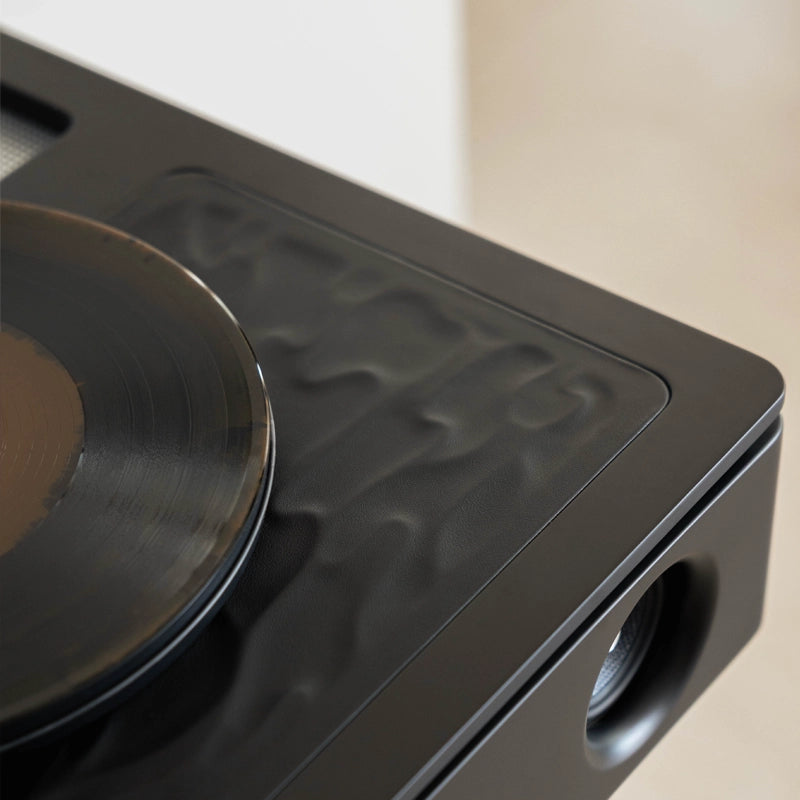
Streamer Escape M1 Air integrated into the PR Link
Which Protocol for Which Purpose? The Decision Guide
- Apple users with Apple Music: AirPlay 2 offers the most seamless user experience, but you have to accept the 256 kbps AAC limit. To access true Hi-Res quality, Tidal Connect remains the most straightforward solution.
- Spotify Premium Subscriber: Since October 2025, Spotify Connect has been the obvious choice. Lossless FLAC is included at no extra cost, and Cloud Direct Play helps conserve your phone's battery life.
- Discerning audiophiles: Tidal Connect (24-bit / 192 kHz native FLAC) for maximum resolution, or Roon Ready for comprehensive library management with precise multiroom synchronization.
- multiroom , or professional integration (hospitality, architecture, retail): AirPlay 2 or Google Cast, thanks to their multi-brand and multi-app compatibility. Spotify Connect and Tidal Connect, which are limited to their own ecosystems, are not suitable on their own for these setups.
As for networking, a 5 GHz Wi-Fi connection is sufficient for 3 to 5 speakers playing simultaneously, with each high-quality stream using between 1 and 3 Mbps. Ethernet is still recommended for DSD and Hi-Res audio above 192 kHz.
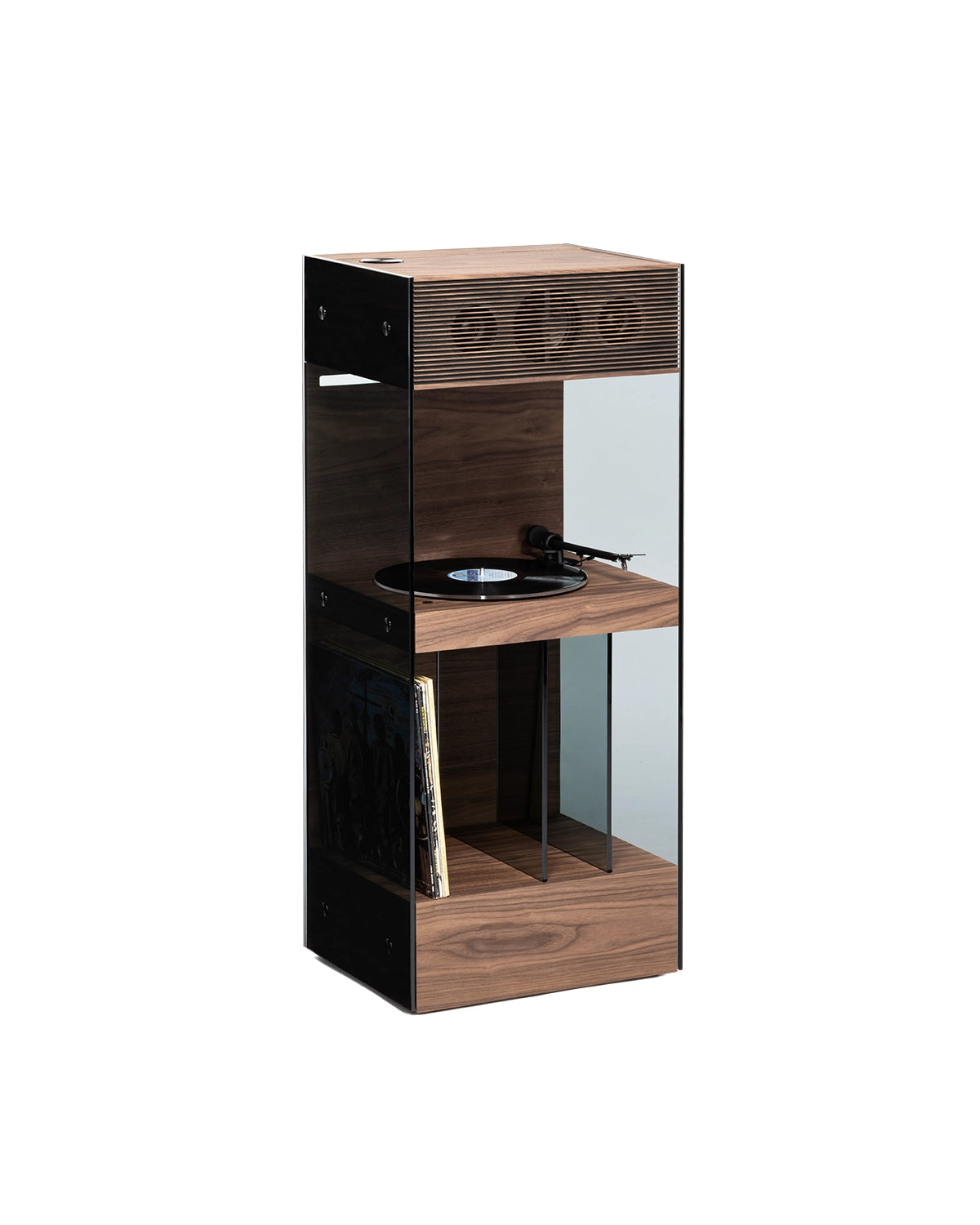
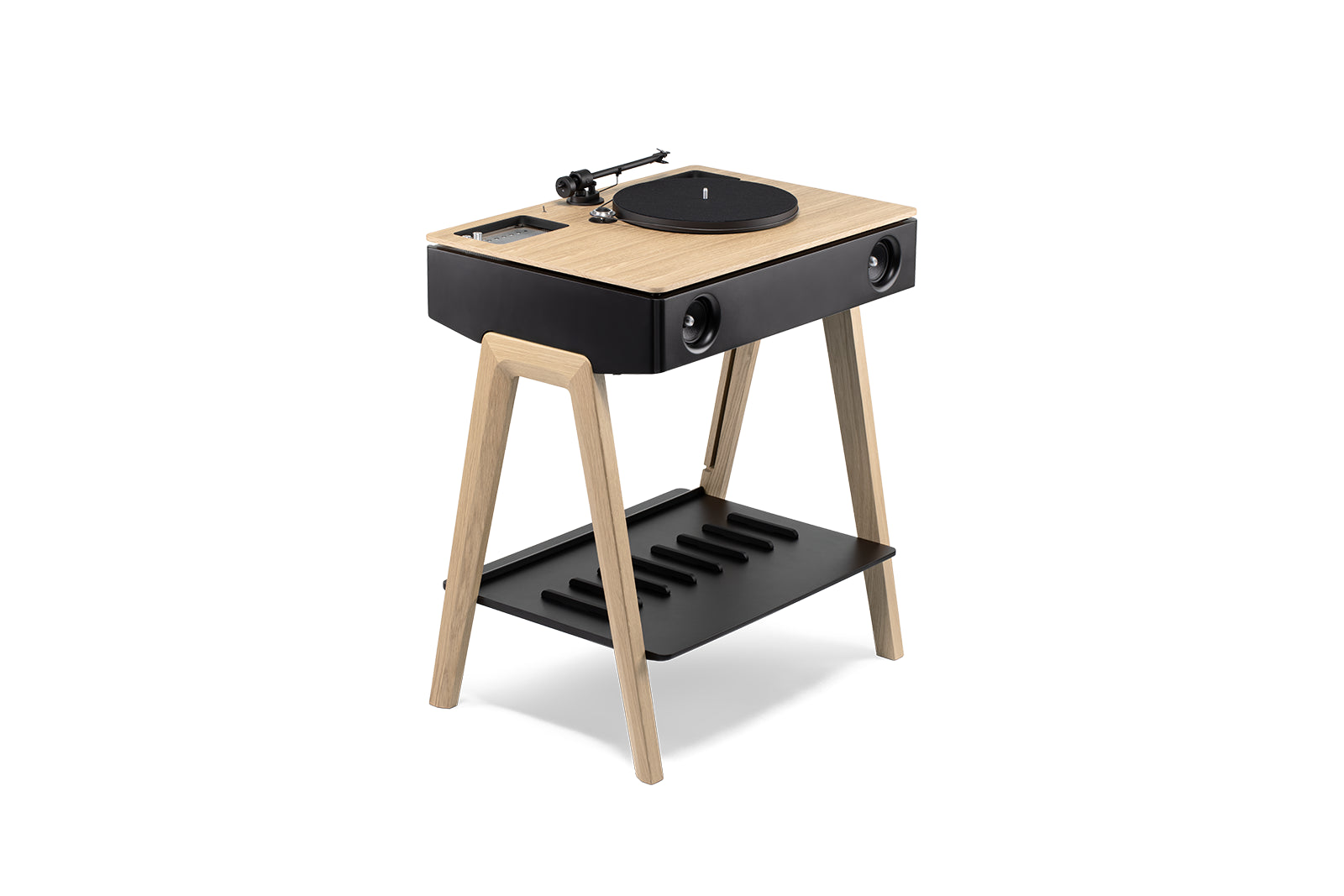
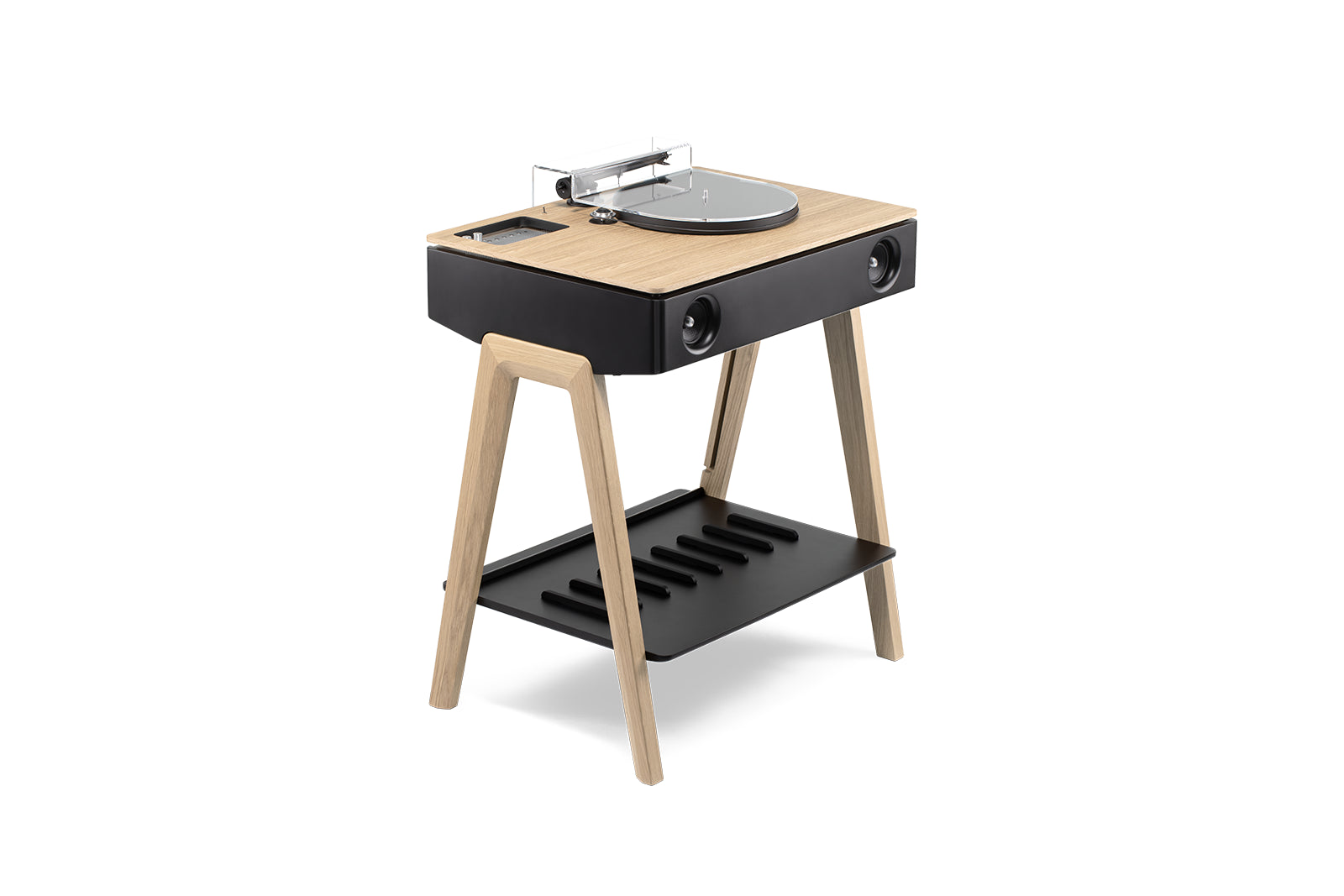
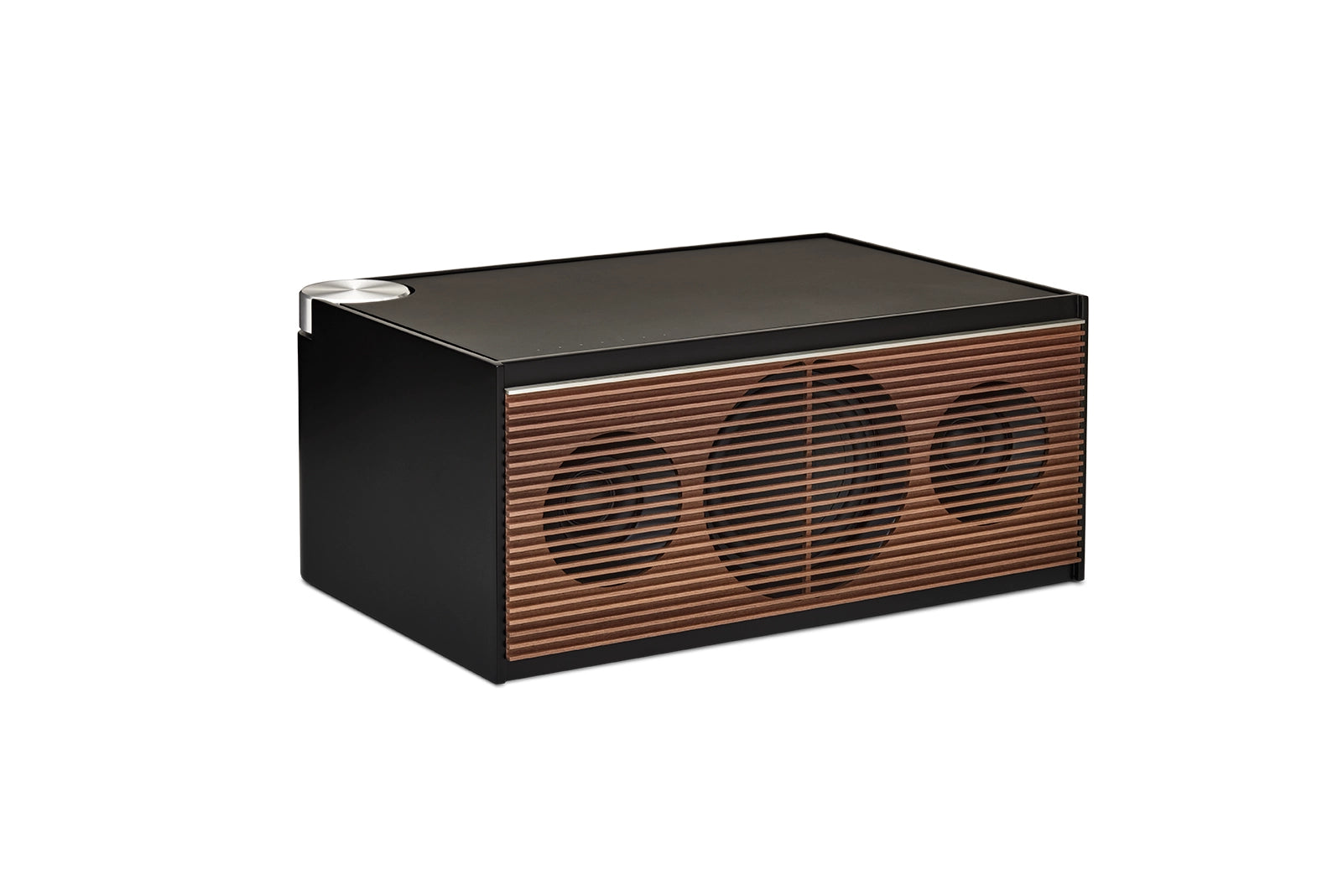
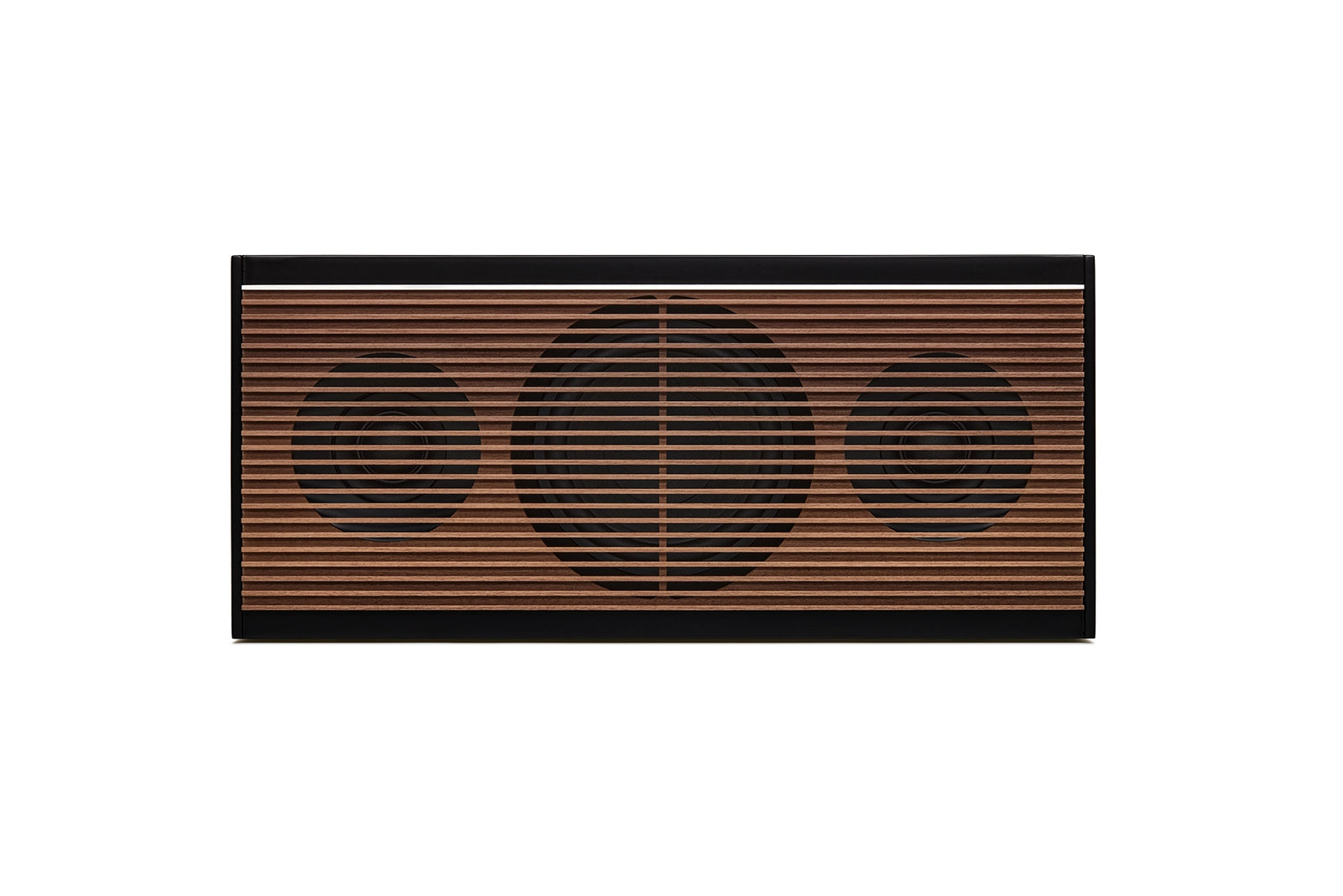
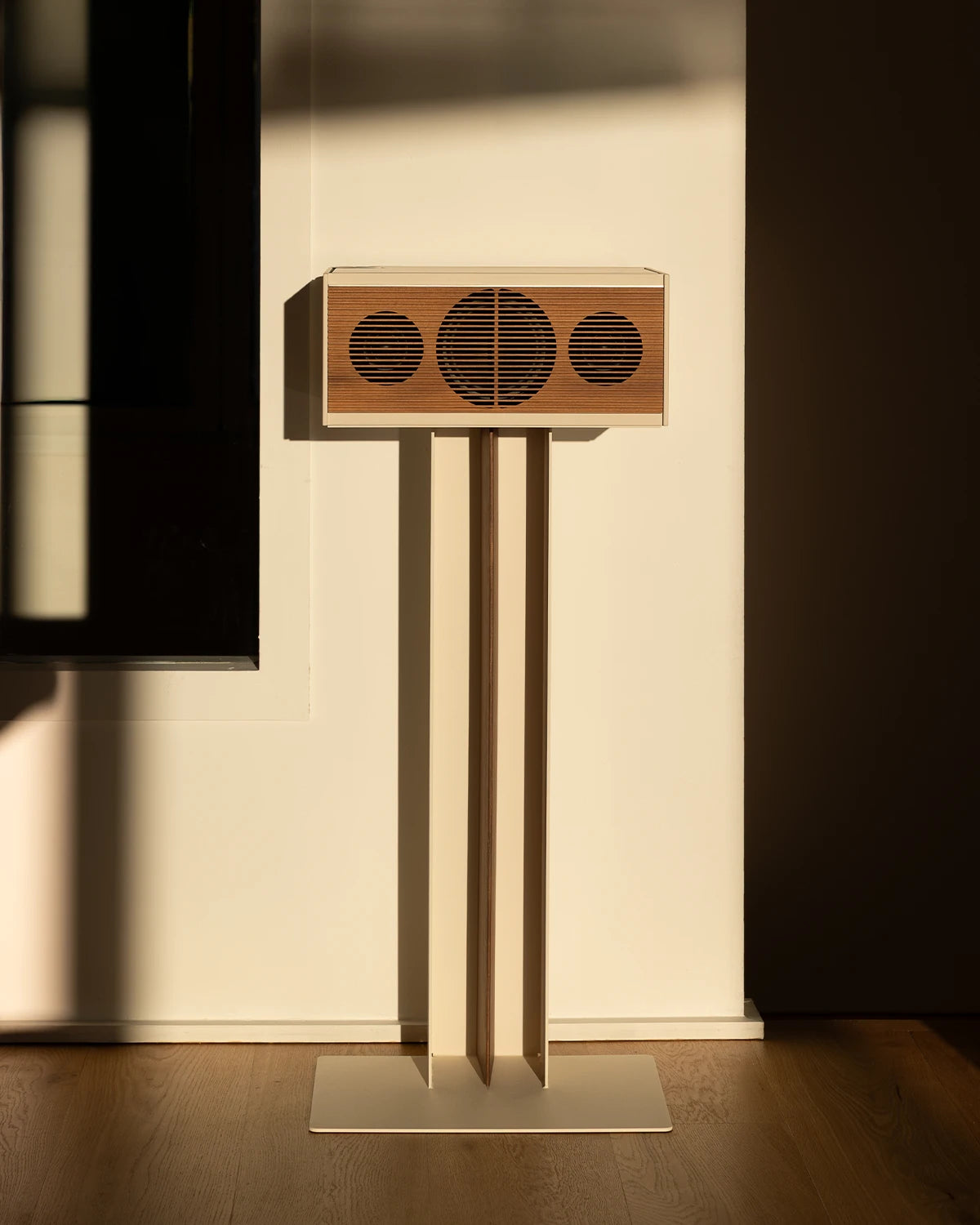
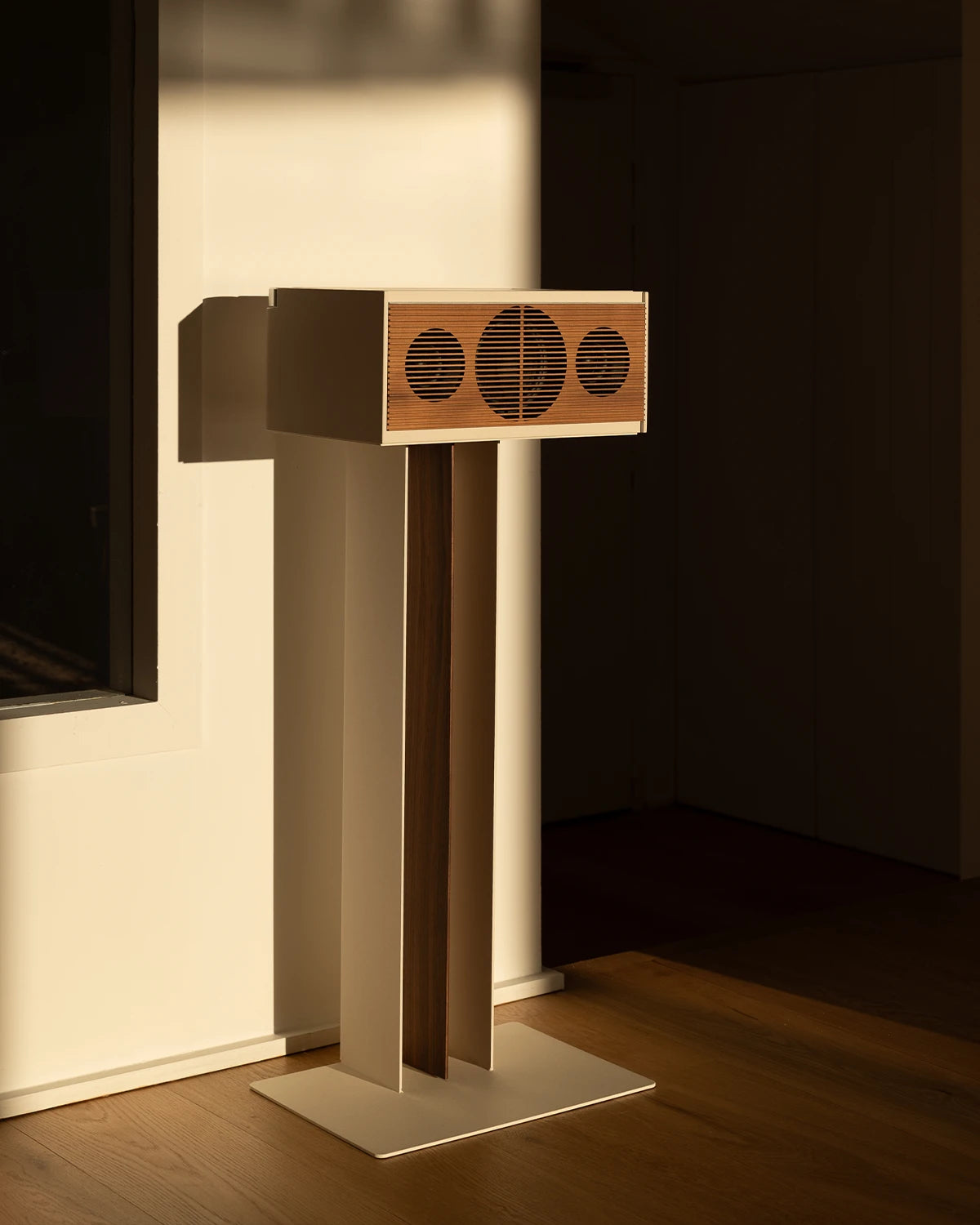
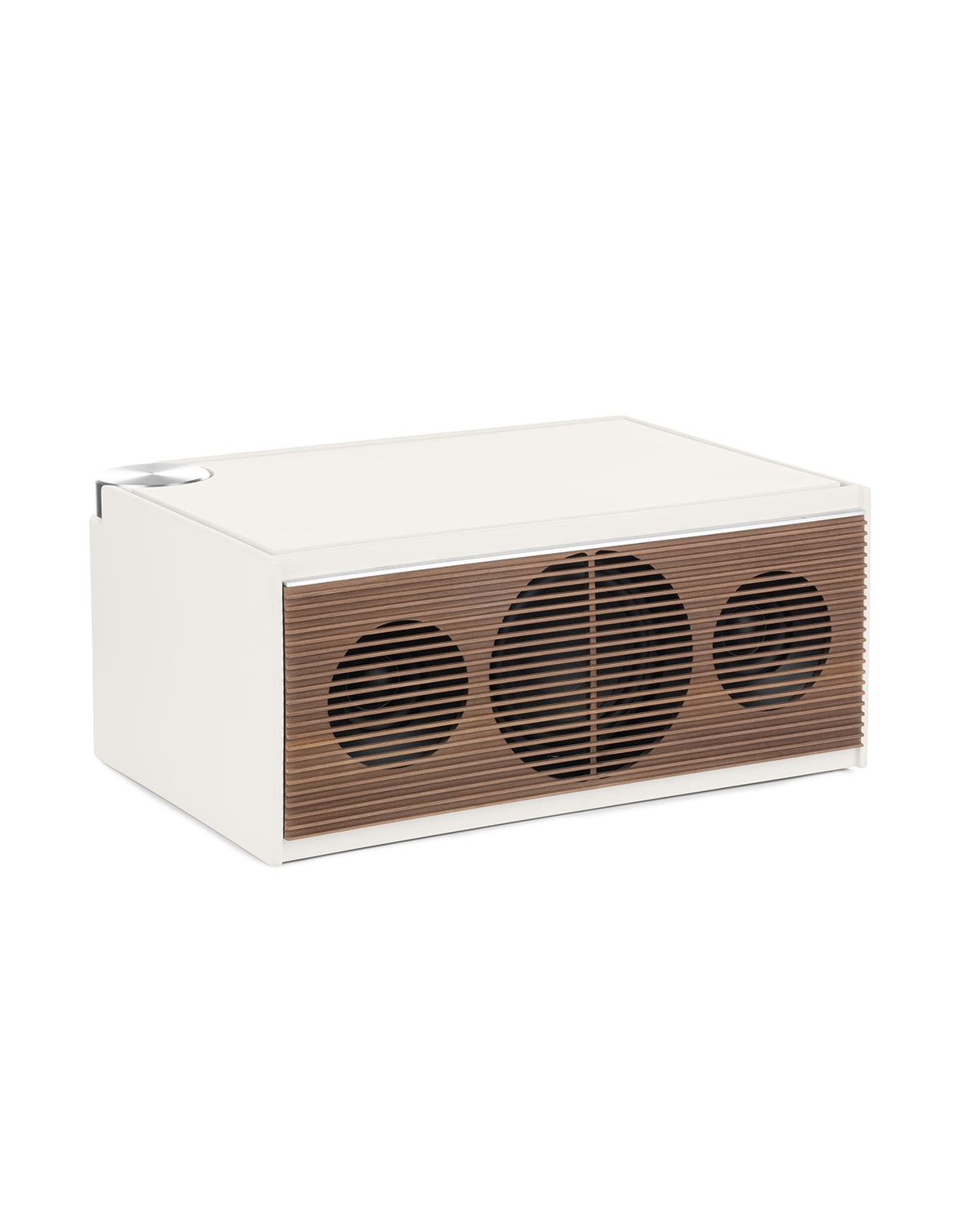
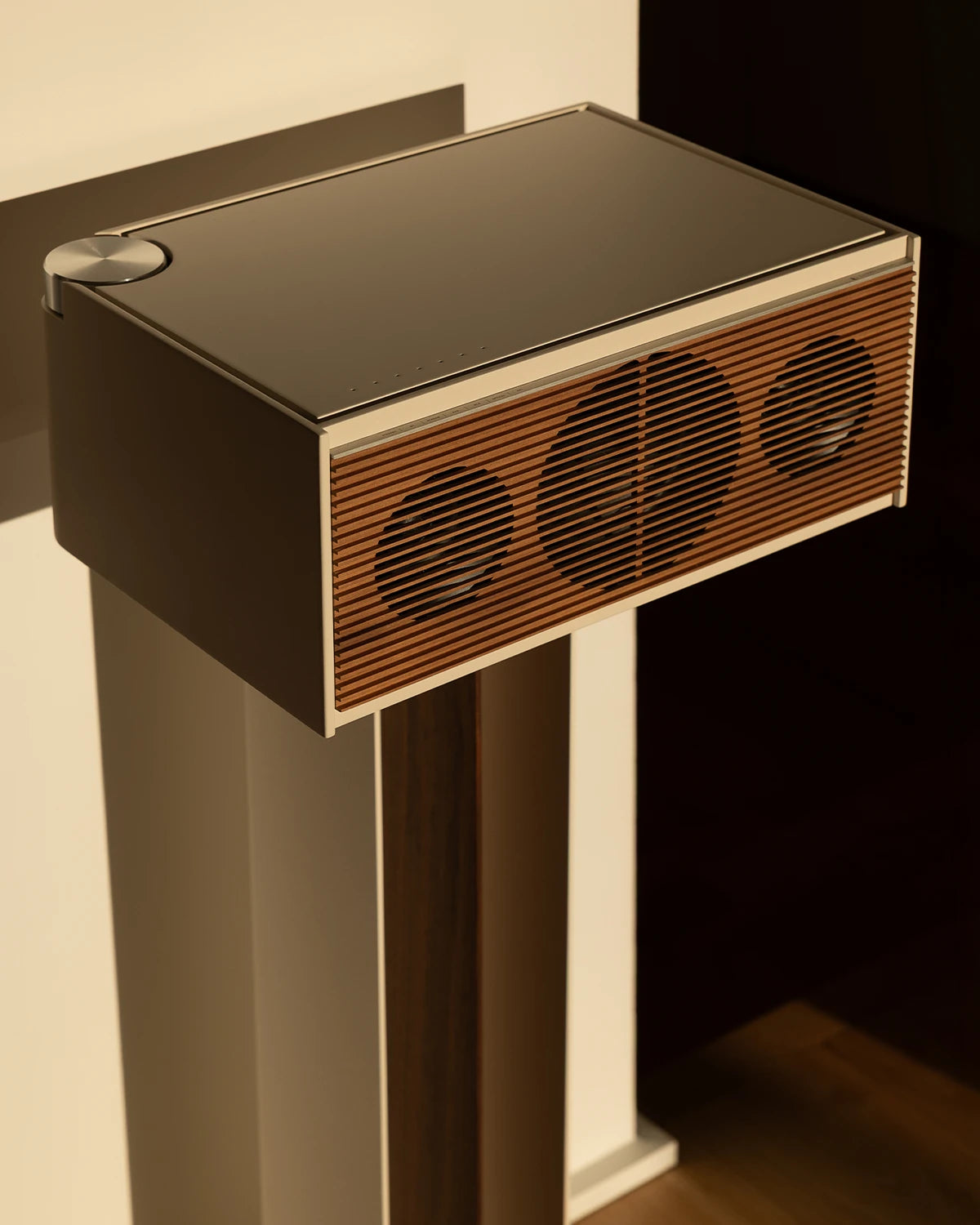
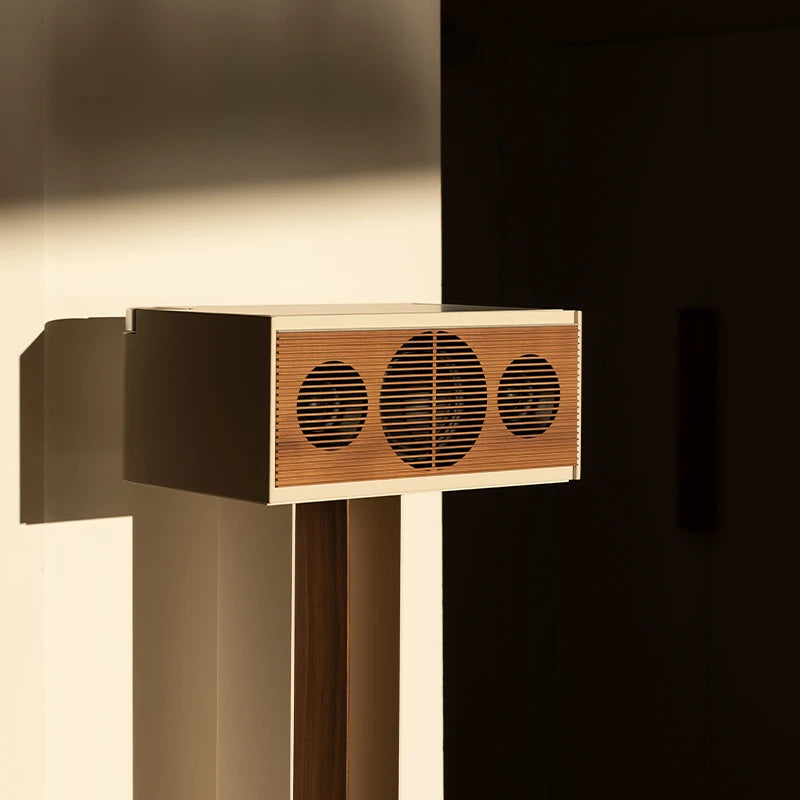
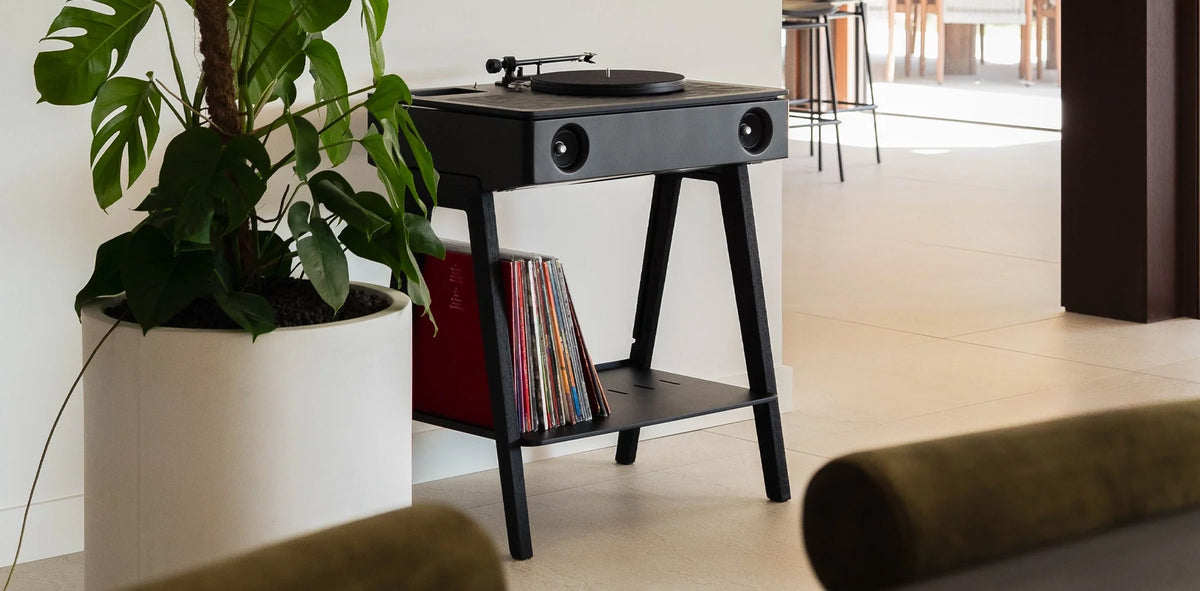
The issue of protocol is often resolved by the speaker's own compatibility. The PR AltaLa Boite Concept, for example, natively supports AirPlay 2, Google Cast, Spotify Connect , and Roon Ready, which eliminates the dilemma: every member of the household or every professional project can use the protocol that suits them best, without compromise.
Conclusion: The best protocol is the one your speaker supports fully.
There is no such thing as a perfect, universal protocol. AirPlay 2 excels within the Apple ecosystem. Tidal Connect offers the highest resolution. Spotify Connect provides the critical mass of users with lossless audio that is finally credible. Roon Ready satisfies even the most meticulous audiophiles.
The key purchasing factor in 2026 is multi-protocol compatibility. Nearly 55% of new Hi-Fi systems now include wireless streaming, and the ability to handle multiple protocols simultaneously is becoming a prerequisite, not a luxury.
It is precisely this vision that guides La Boite Concept : to harness an acoustic legacy spanning more than 80 years—which began with SIARE® in 1938—to serve the latest streaming technologies. Everything is designed, developed, and assembled at the Manufacture du Son in Hossegor. Because fidelity to sound begins with fidelity to craftsmanship.