



Your hi-fi speaker might be playing MP3s without you even knowing it
You’ve just spent €1,500 on a high-end hi-fi speaker. You play an album in FLAC format from your smartphone, and the sound fills the room. Yet, without you even realizing it, your lossless file has just been compressed to a level close to that of an MP3 before it even reaches the speaker. The culprit: the Bluetooth codec negotiated between your two devices.
Wi-Fi and Bluetooth are not two interchangeable ways to stream music. They are two fundamentally different signal pathways, with direct implications for what you actually hear. This article isn’t about pitting one technology against another—it’s a practical look at how each protocol affects your music, so you can make an informed choice.
Bluetooth: Universal, Convenient, but Structurally Compressed
Bluetooth operates on a point-to-point connection: your smartphone communicates directly with the speaker, without going through an intermediate network. The actual range varies between 10 and 15 meters, pairing is instantaneous, and compatibility is virtually universal. That’s its strength, and it’s also what masks its limitations.
Here's what actually happens in the signal chain: your phone decodes the source file (FLAC, ALAC, MQA), then re-encodes it using a Bluetooth codec before transmitting it. The smartphone acts as an intermediary that can introduce artifacts, regardless of the quality of the original file.
The quality of this transmission depends entirely on the codec negotiated between the source and the speaker. Here is the hierarchy:
- SBC (328 kbit/s at 44.1 kHz): a mandatory codec found on all Bluetooth devices. Above approximately 2.5 kHz, its filters introduce measurable distortion on sensitive systems.
- aptX: a noticeable improvement, but still lossy compression.
- LDAC (Sony): up to 990 kbit/s in maximum-quality mode, which is three times the bitrate of SBC. In connection-priority mode, LDAC drops to 330 kbit/s and sounds worse than standard aptX.
- aptX Lossless: promises bit-perfect transmission at CD quality (16-bit / 44.1 kHz) at 1.1–1.2 Mbit/s, but requires that both devices support it—a condition that is rarely met in practice.
The most common pitfall is the fallback codec. Even a premium LDAC-compatible speaker will automatically fall back to SBC if your smartphone doesn't support that codec. Most comparison reviews ignore this reality. The result: your hi-fi investment is held back by the weakest link in the chain.
Let's put these numbers into perspective: even LDAC, at its maximum bitrate of 990 kbit/s, is still a long way from the 4.6 Mbit/s needed to transmit a lossless 24-bit/96 kHz Hi-Res stream. The compression is inherent to the format; it's not accidental.
In terms of latency, the differences are significant: over 100 ms for SBC, about 34 ms for aptX Low Latency, and up to 200 ms for LDAC. For video or gaming, these delays matter.
Let's be honest: a study published by Test-Achats in February 2026 notes that, when it comes to consumer speakers, the perceived difference between Wi-Fi and Bluetooth remains minimal. For the discerning audiophile with a high-fidelity system, however, the compression is very real and measurable.
Wi-Fi: The speaker finds the music on its own
Wi-Fi is radically changing the paradigm. With protocols like Tidal Connect, Spotify Connect, Qobuz Connect , and Roon, the speaker connects directly to the cloud-based streaming service. Your smartphone no longer just controls playback—it becomes a remote control, not a link in the audio chain.
This architecture enables bit-perfect transmission: the digital signal reaches the speaker’s digital-to-analog converter (DAC) intact, without any intermediate re-encoding. Hi-Res formats up to 24-bit/192 kHz are preserved in their entirety. Tidal, for example, offers streaming at up to 1,411 kbit/s in CD quality and at 24-bit/96 kHz in Hi-Res, accessible via Tidal Connect on compatible speakers from brands such as KEF, NAD, Naim, Bluesound, and Cambridge Audio.
The comparison of data rates speaks for itself: dual-band Wi-Fi easily handles the 4.6 Mbit/s of a 24/96 Hi-Res stream, whereas even the best Bluetooth codec is limited to 1.2 Mbit/s. For a full- multiroom , Wi-Fi easily handles 5 to 7 Mbit/s without any bottlenecks.
In terms of range, Wi-Fi relies on your home network: the speaker works anywhere your network has coverage, without needing to be close to the source. The required setup is simpler than you might think. A standard ISP router (Bbox, Livebox, Freebox) is enough to power 3 to 5 multiroom speakers in a 100 to 150 m² home. A Hi-Res stream uses between 1 and 3 Mbit/s—less than a web page loaded with images.
Synchronized " multiroom ": The Decisive Advantage of Wi-Fi
Playing the same music in multiple rooms, perfectly synchronized, without the slightest audible delay: this is a feature unique to Wi-Fi. Protocols such as AirPlay 2, Google Cast, and the Sonos, HEOS, and BluOS ecosystems maintain cross-room synchronization with a latency of less than 40 ms—completely imperceptible to the human ear.
Traditional Bluetooth, due to its point-to-point nature, does not allow for this synchronization. Connecting multiple Bluetooth speakers to the same source results in an audible delay between rooms, which is a major drawback for a cohesive listening experience.
Bluetooth LE Audio, with its Auracast feature and the LC3 codec, promises to be a game-changer: streaming to an unlimited number of receivers, better quality at lower bitrates, and reduced latency. In 2026, however, this technology is still in the early stages of adoption. It is beginning to appear in mid-to-high-end models, but its integration into home hi-fi systems remains limited. It would be premature to build a multiroom system based on this promise.
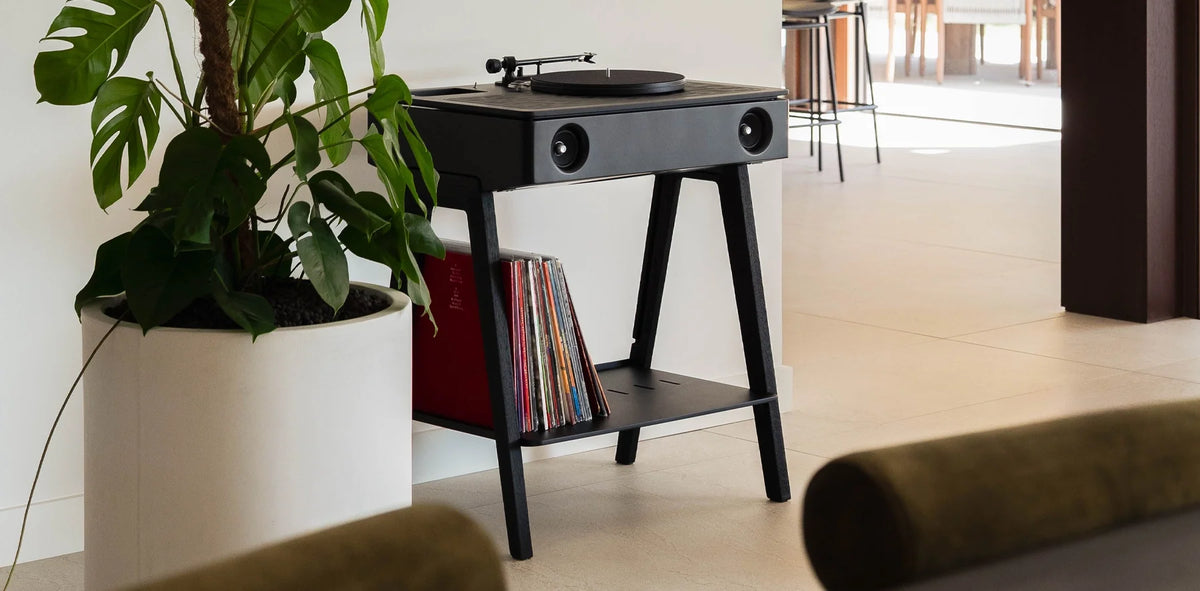
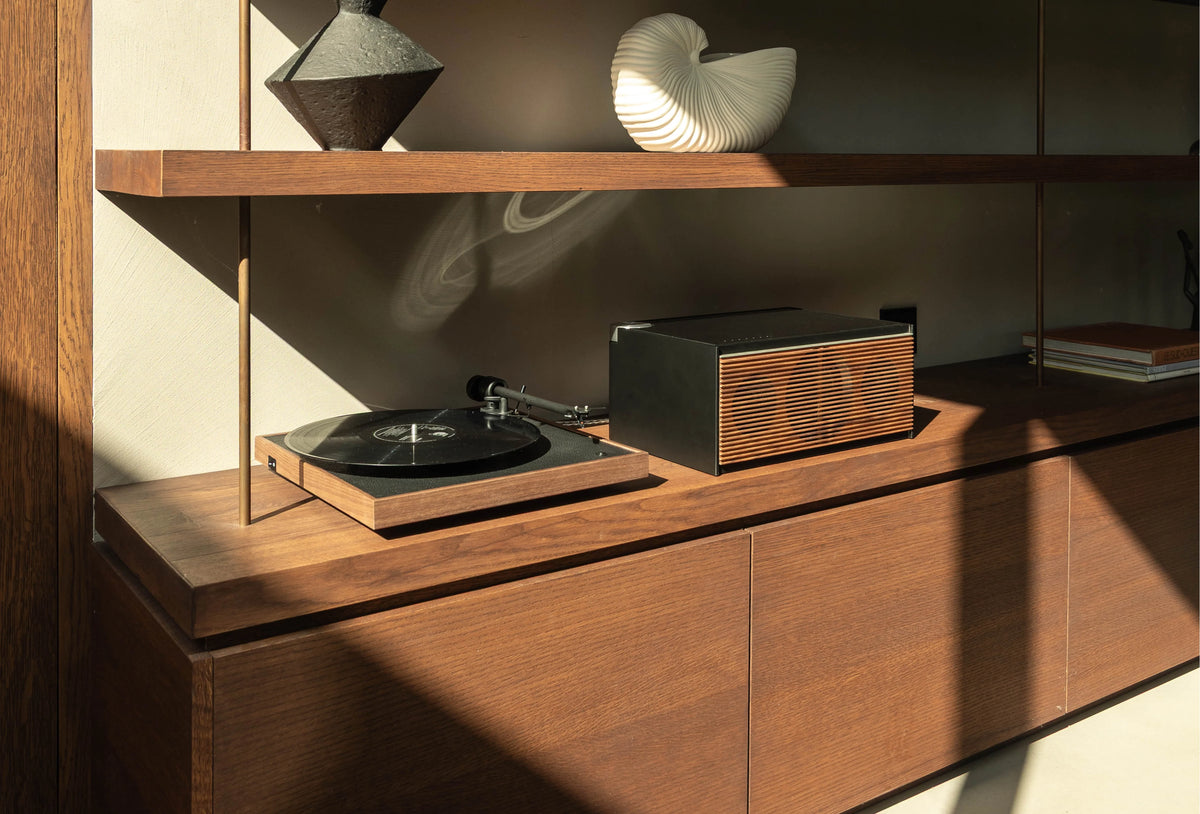
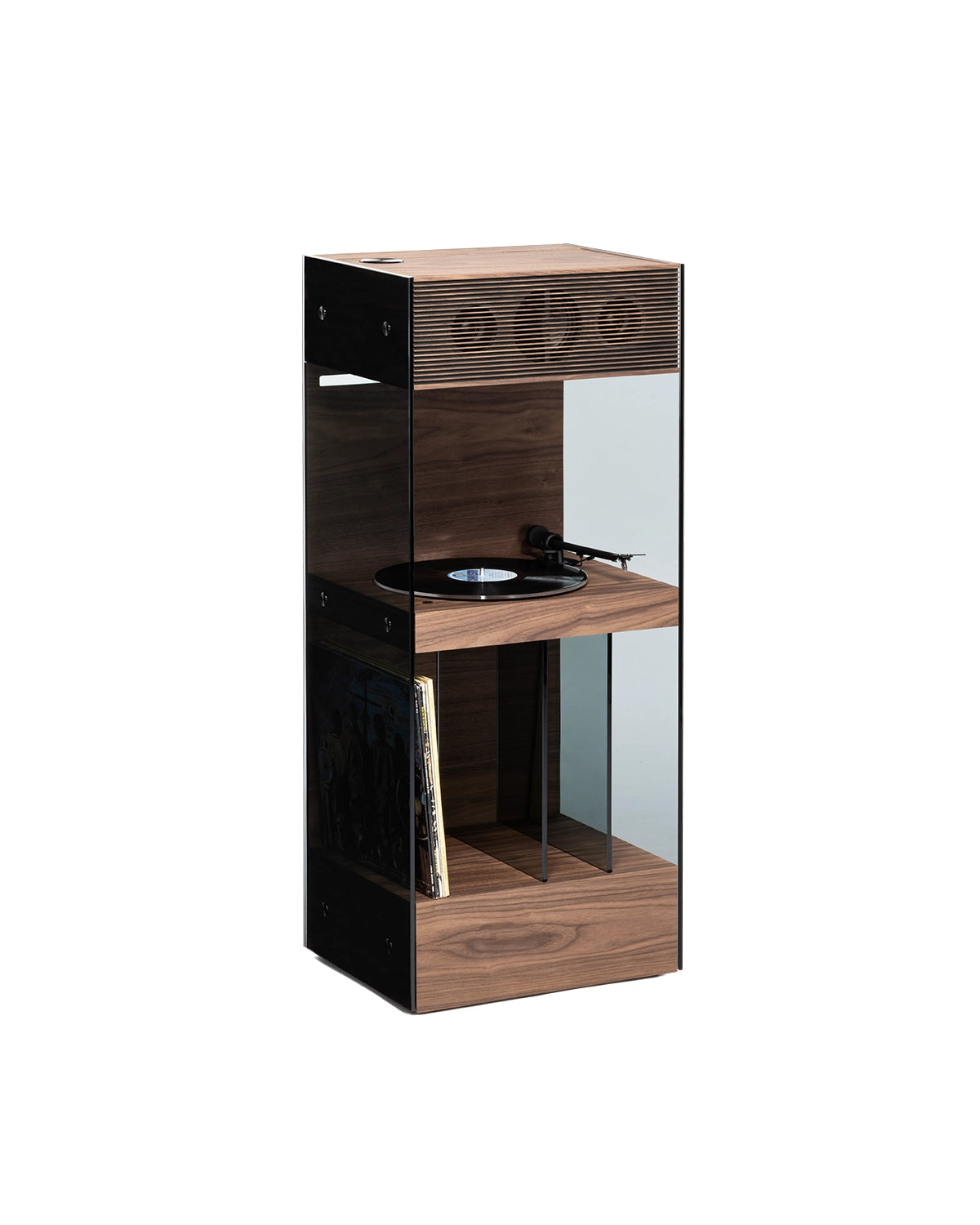
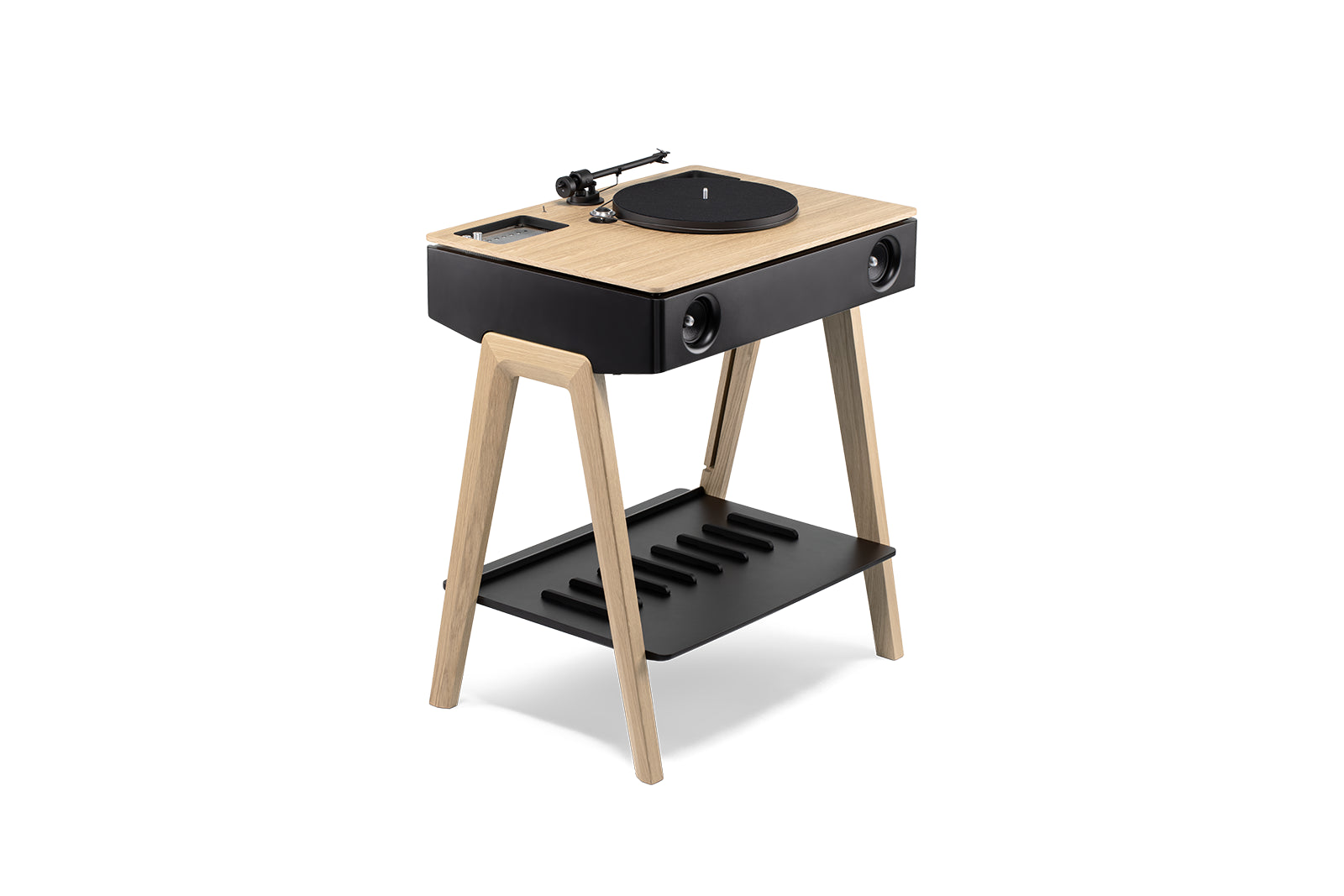
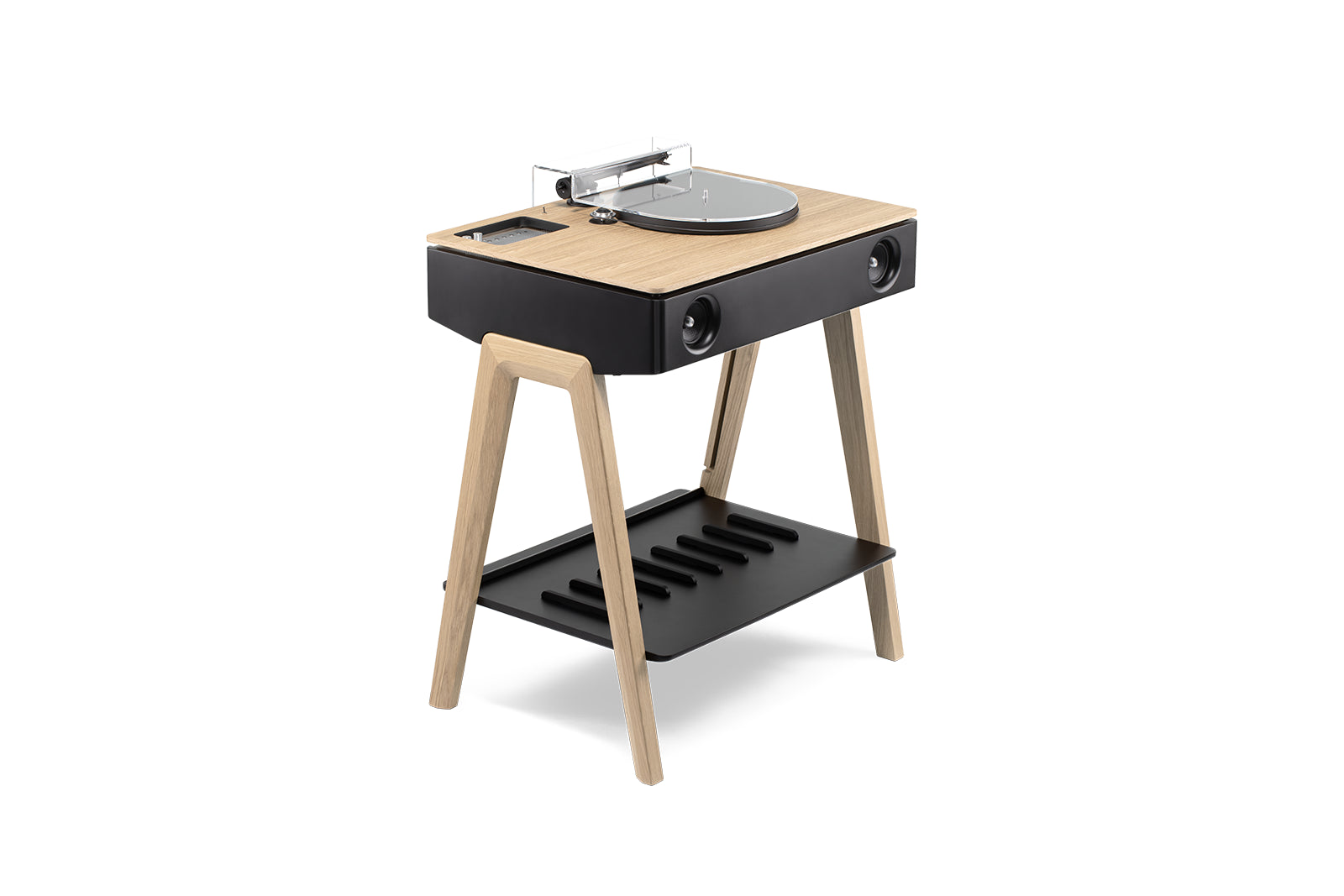
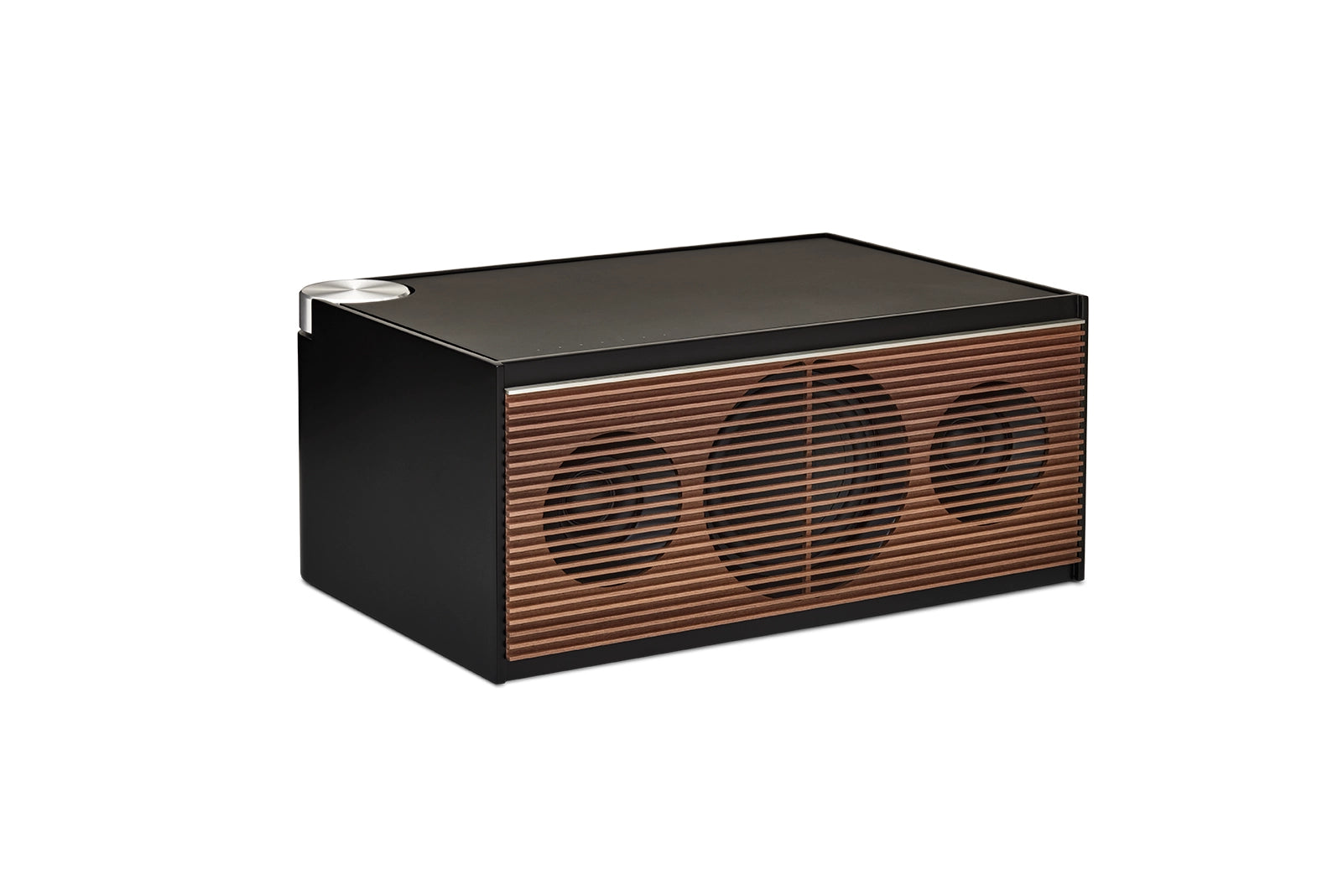
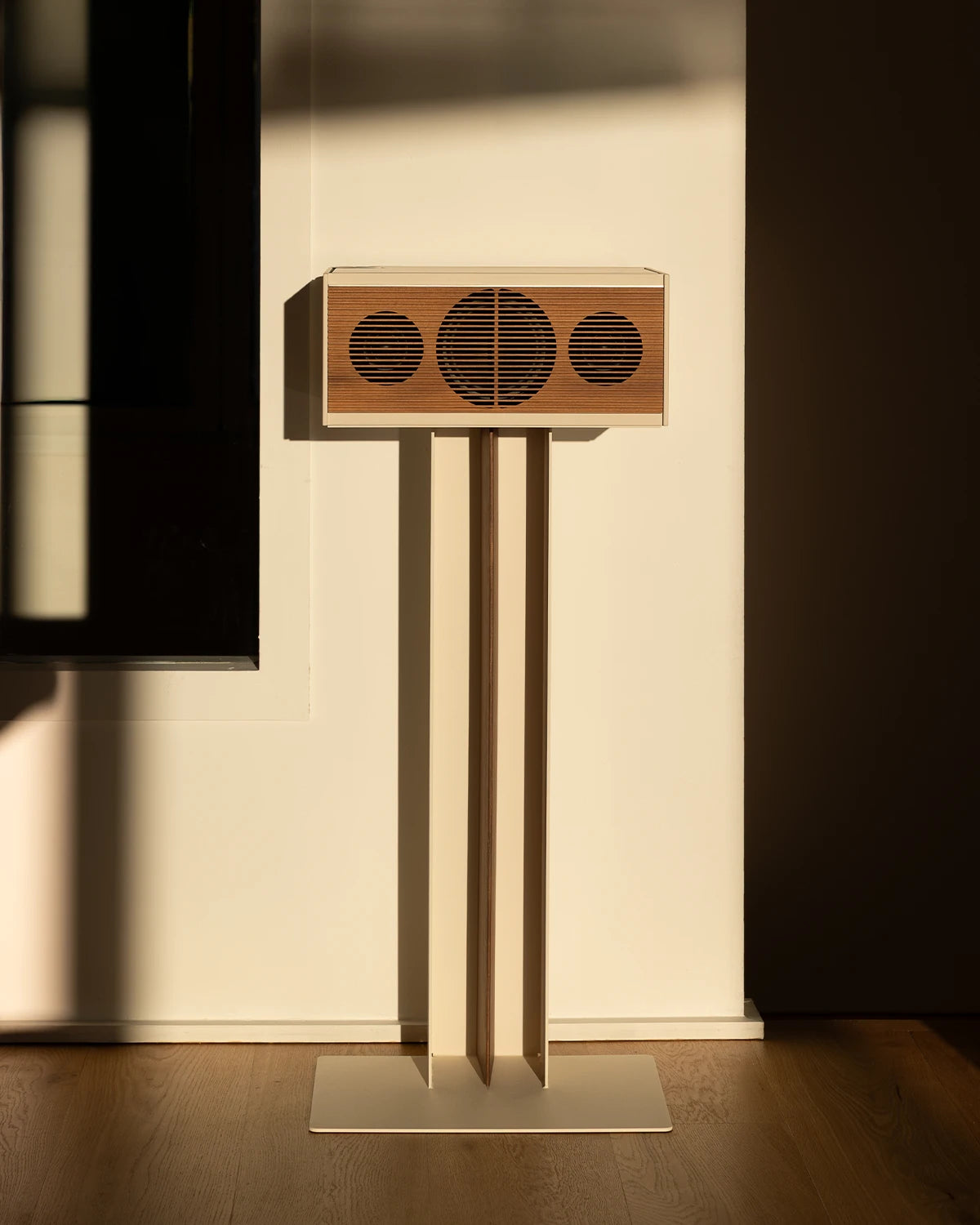
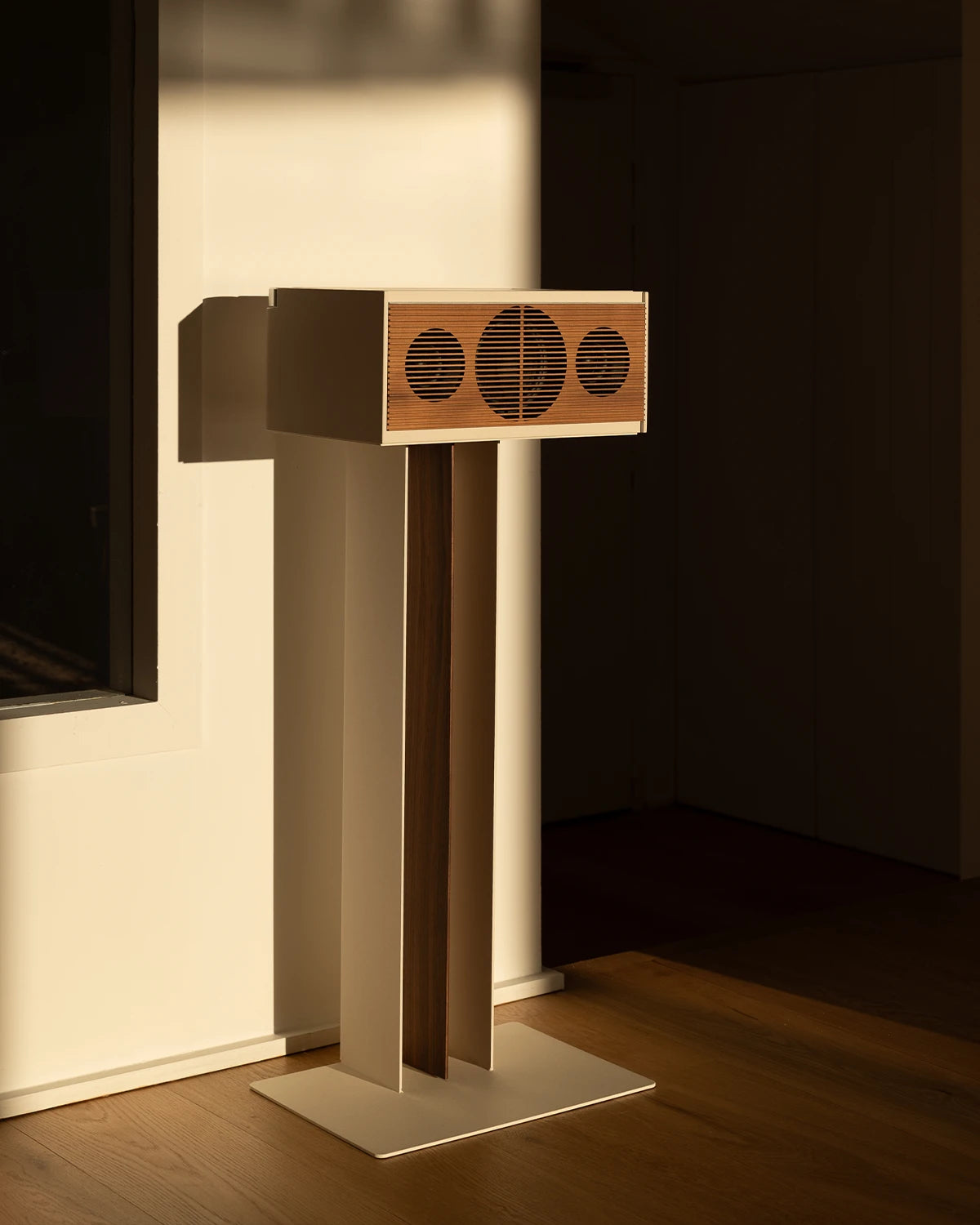
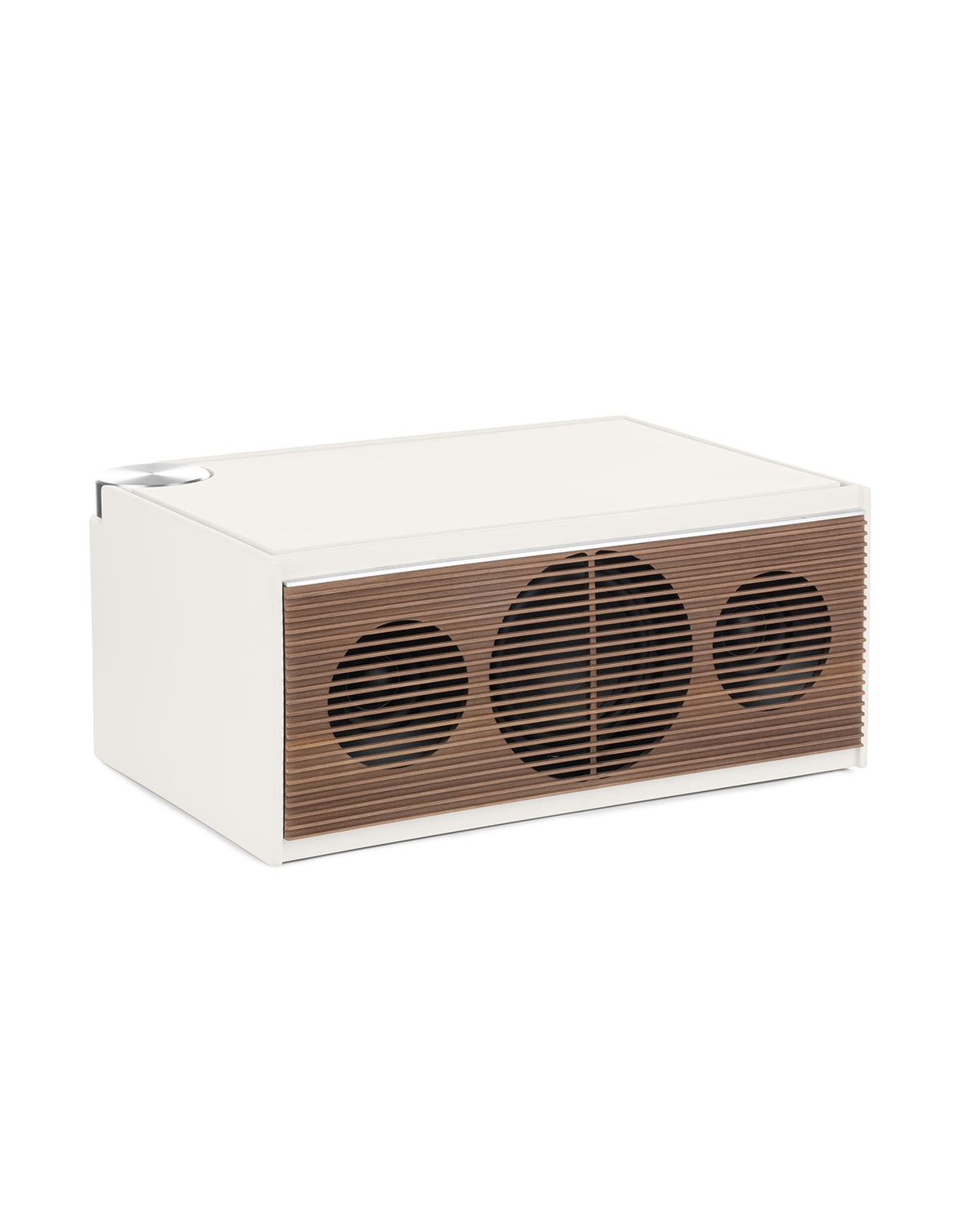
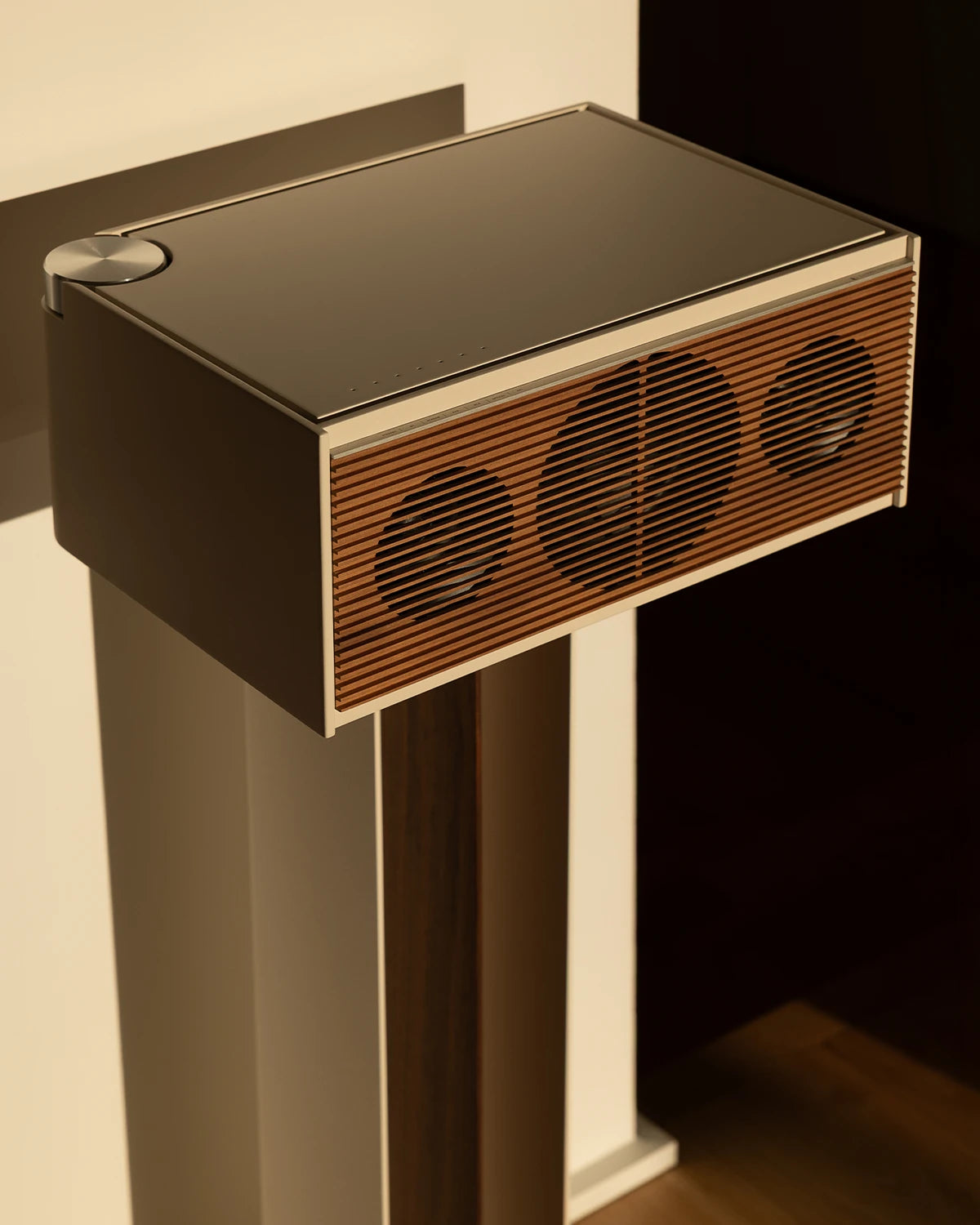
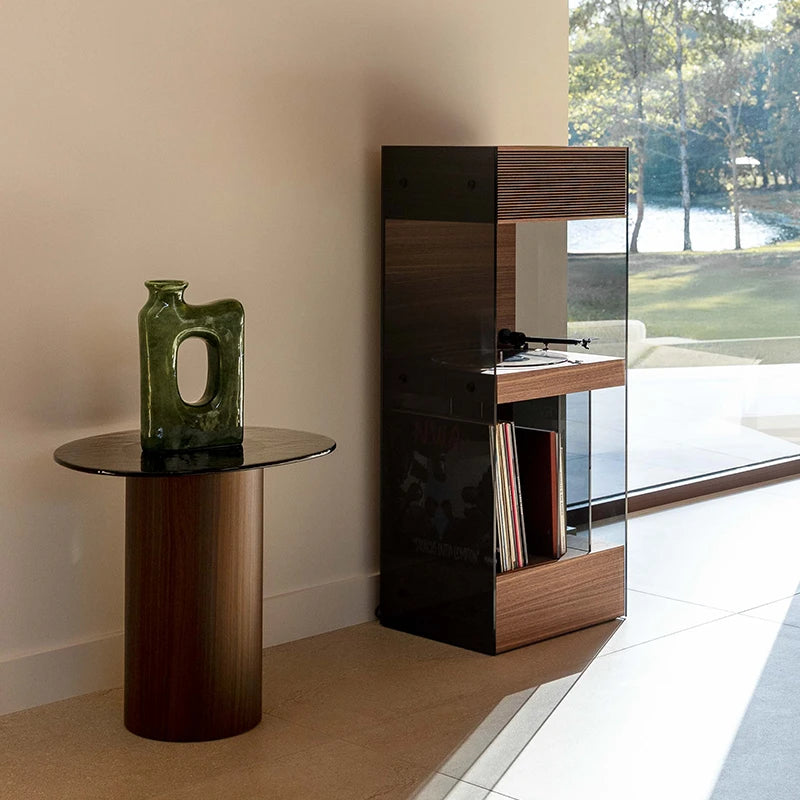
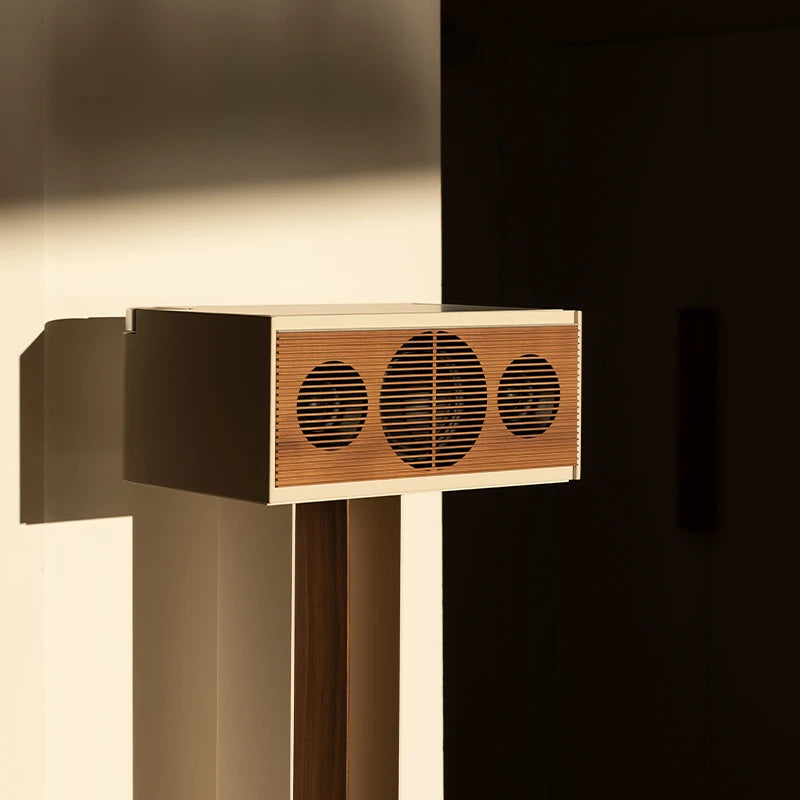
For large homes, interior design projects, the hospitality industry, or retail, the criteria are clear: signal stability, extended range, and centralized management of multiple zones. Only Wi-Fi meets these requirements today. That’s why our connected Hi-Fi speakers, such as the PR Alta and the PR Link, feature Wi-Fi and AirPlay 2 to deliver an uncompromising “ multiroom ” experience in interiors where design matters just as much as sound.
Wi-Fi and Bluetooth: Two Complementary Roles, Not Opposing Ones
By 2026, virtually all premium hi-fi speakers (Sonos, Devialet, KEF, Bluesound) will incorporate both technologies. This is no coincidence: each has its own role. Wi-Fi provides the main high-fidelity listening experience, while Bluetooth allows for quick connection of a guest or a portable device. The rule of thumb is simple: Wi-Fi for everyday listening, Bluetooth for occasional use.
An often-overlooked aspect: your home network has become a true audiophile infrastructure. A Wi-Fi 6 (802.11ax) mesh network, a dedicated 5 GHz band for audio streams, or a properly configured QoS router are investments in sound quality just as much as a good cable or a high-quality DAC. They ensure the stability and smooth flow of your audio streams.
It’s worth noting that Wi-Fi can also be disappointing. A network overloaded by multiple devices streaming video, or poor coverage in certain rooms—these situations do happen. The solutions are simple: an additional access point, an Ethernet connection for the main speaker, or a QoS setting that prioritizes audio traffic.
Market figures reflect this duality. Bluetooth will hold a 51.62% market share of wireless speakers in 2025, driven by its universality. Wi-Fi speakers, meanwhile, are posting an annual growth rate of 8.12%, higher than that of Bluetooth—a sign that audio quality expectations are rising, and that users are gaining a better understanding of how the connection affects their music.
What the Discerning Audiophile Should Keep in Mind
Three key points to keep in mind:
- Check which codec is supported by both your speaker AND your source before buying. The SBC fallback codec is your silent enemy: it reduces quality without warning.
- For high-resolution audio and a system multiroom, Wi-Fi is the only structurally viable option. No Bluetooth codec can compete with a bit-perfect stream at 4.6 Mbit/s.
- Bluetooth remains valuable for its simplicity. Save it for on-the-go use and quick connections.
A Wi-Fi speaker, by its very nature a stationary device, can be integrated into an interior design project (living room, office, hotel room) without the need to be located near the audio source. For architects and interior designers, this is a design consideration in its own right.
At La Boite Concept, ever since SIARE® was founded in 1938, we have been convinced that high audio standards and attention to technical detail go hand in hand with attention to design and materials. Choosing the right connection also means respecting your speaker as an instrument.