
QWhy Has Sound Become a Strategic Asset for the Hotel and Restaurant Industry?
Sound is no longer just background noise—it’s a measurable driver of business performance. According to a 2026 survey of 1,000 consumers, 63% of customers say that the atmosphere—including music—directly influences their choice of hotel. Music ranks second among the factors that enhance the hotel experience (cited by 22% of respondents), and 31% of millennials even rank it first.
The figures for the restaurant industry are just as telling. Slow-tempo music increases the average length of stay by 40.2% and can boost spending per table by up to 10%, thanks to additional drink orders and desserts. Conversely, silence comes at a high cost: it reduces revenue by 28%, whereas well-chosen music can increase it by 35% (SACEM data).
More broadly, environmental factors (light, sound, scent, temperature) account for 61.7% of the variance in customer satisfaction in the restaurant industry. Installing a sound system in a hotel or restaurant is therefore not an expense: it is an investment with a direct and measurable return on investment.
Standard Sound Systems vs. High-Fidelity Designer Systems: Two Philosophies, Two Results
The traditional approach to professional sound systems in the hospitality industry relies on 100V in-line recessed speakers. Designed to blend into a ceiling, their discreet appearance comes at the cost of flat, lifeless sound reproduction that flattens timbres and eliminates all musical dynamics. The result: a generic background soundscape that is interchangeable from one establishment to the next.
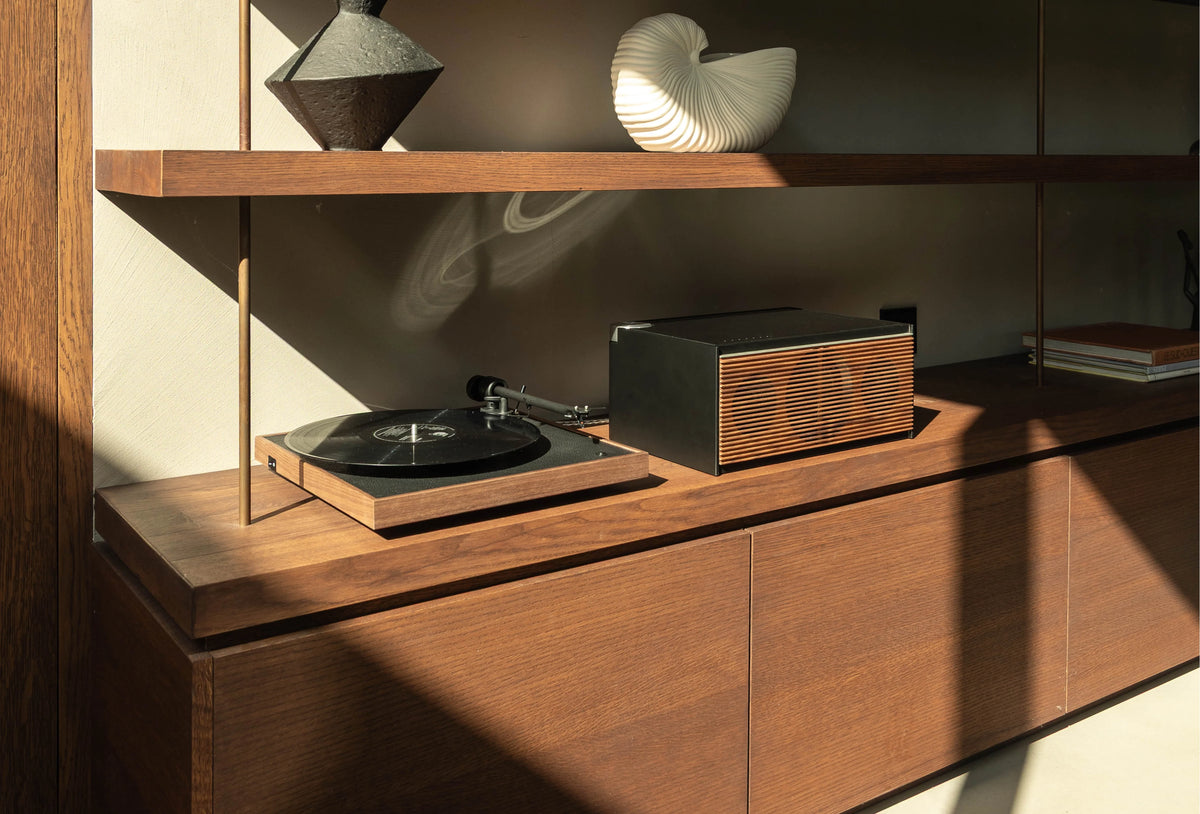
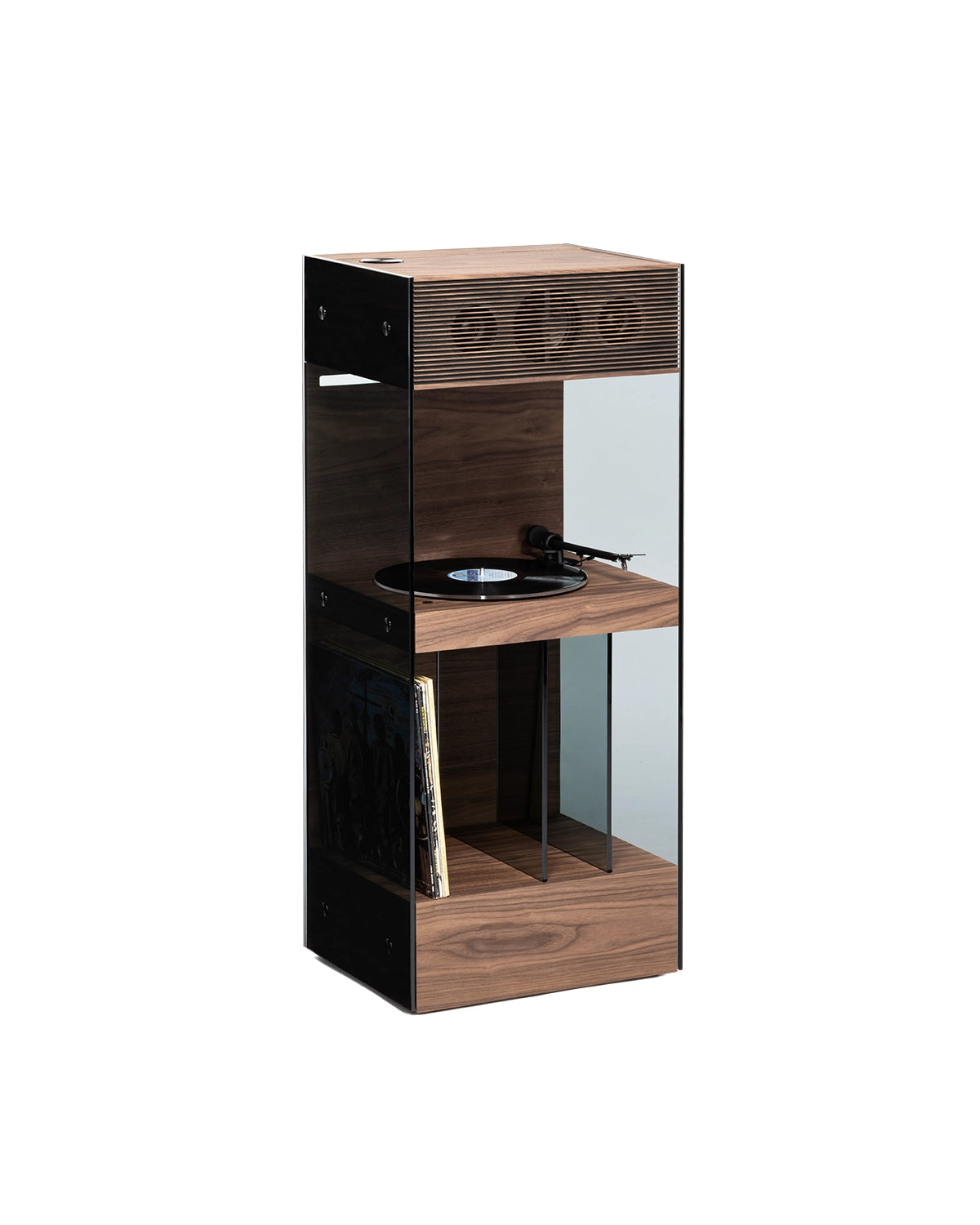
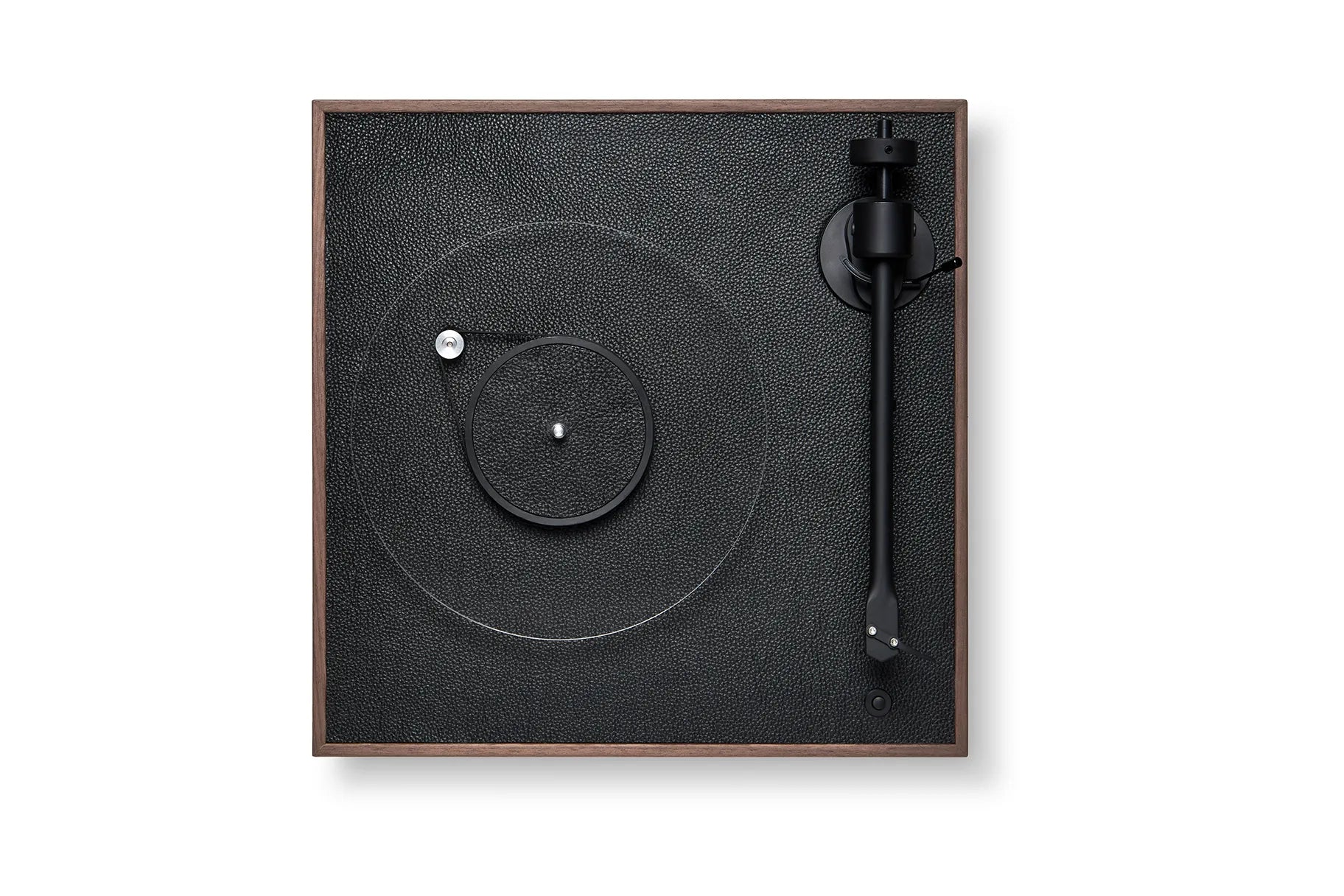
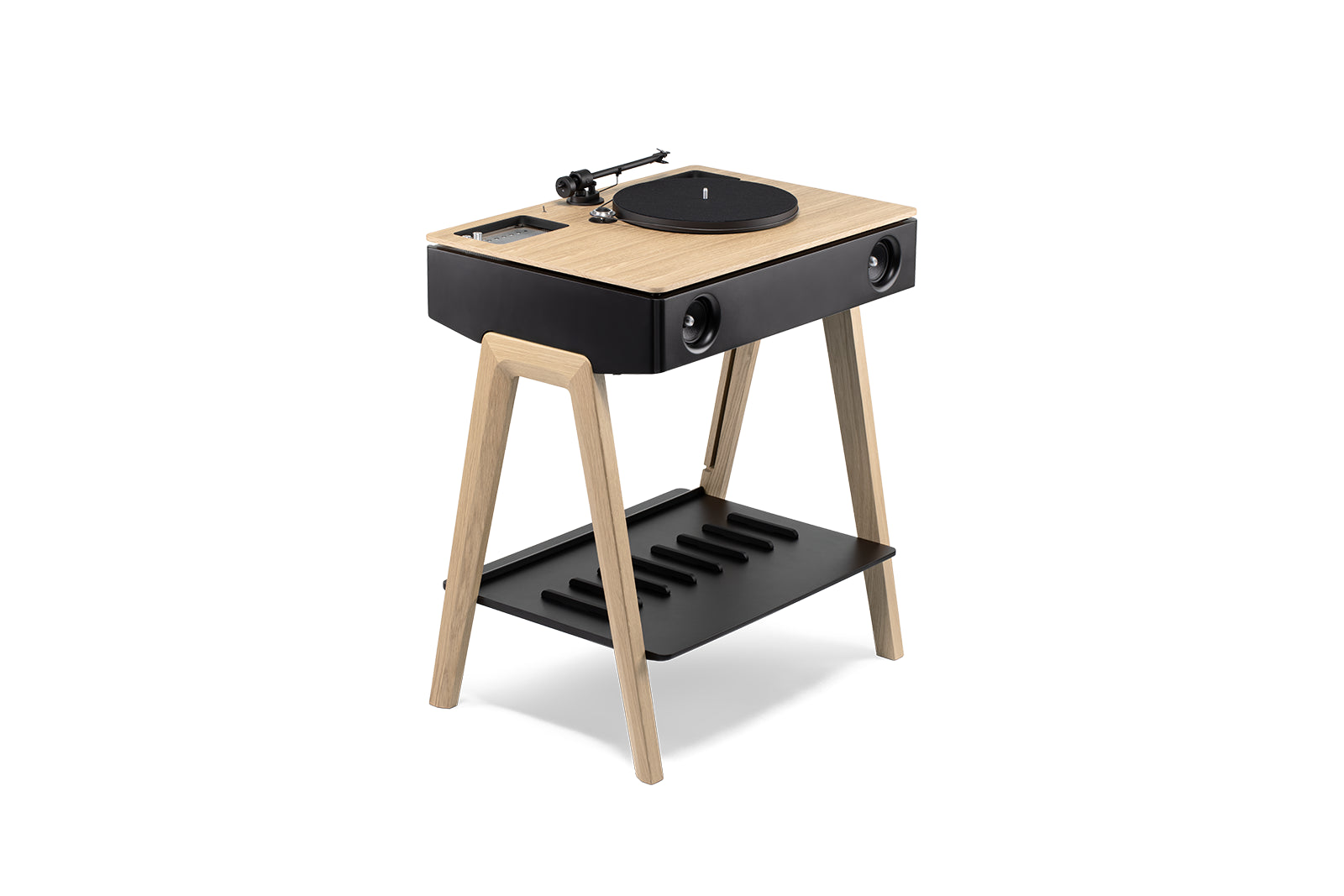
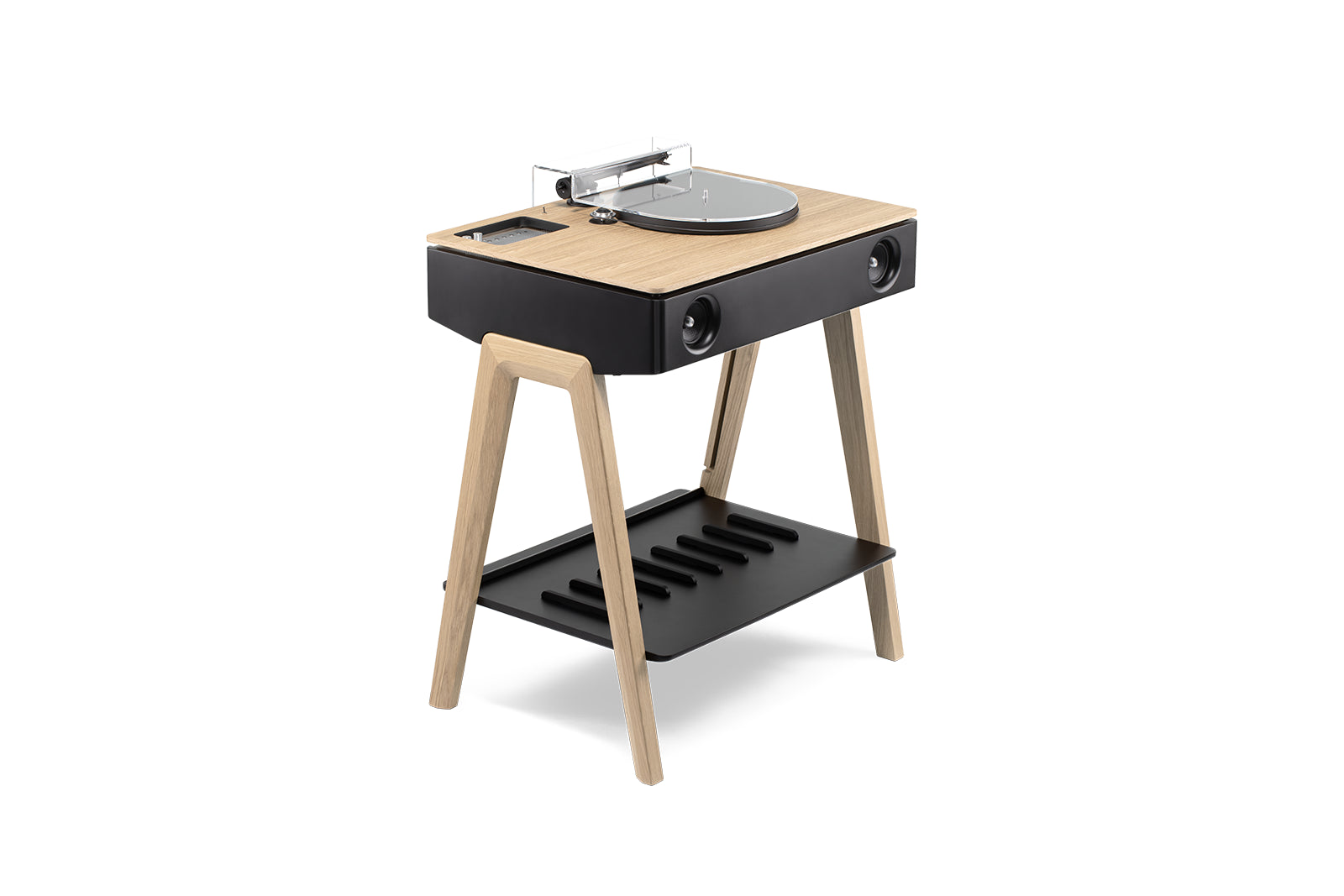
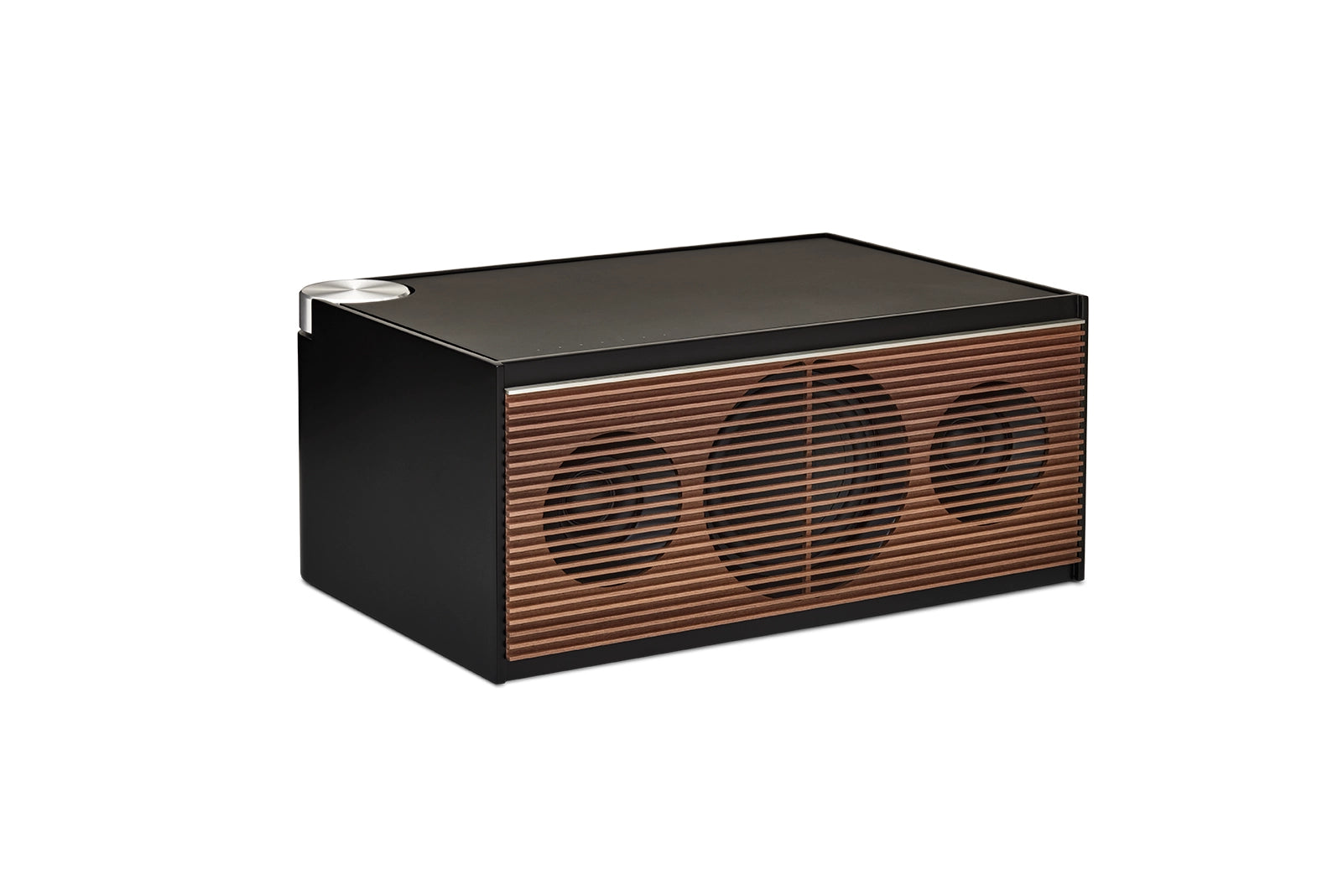
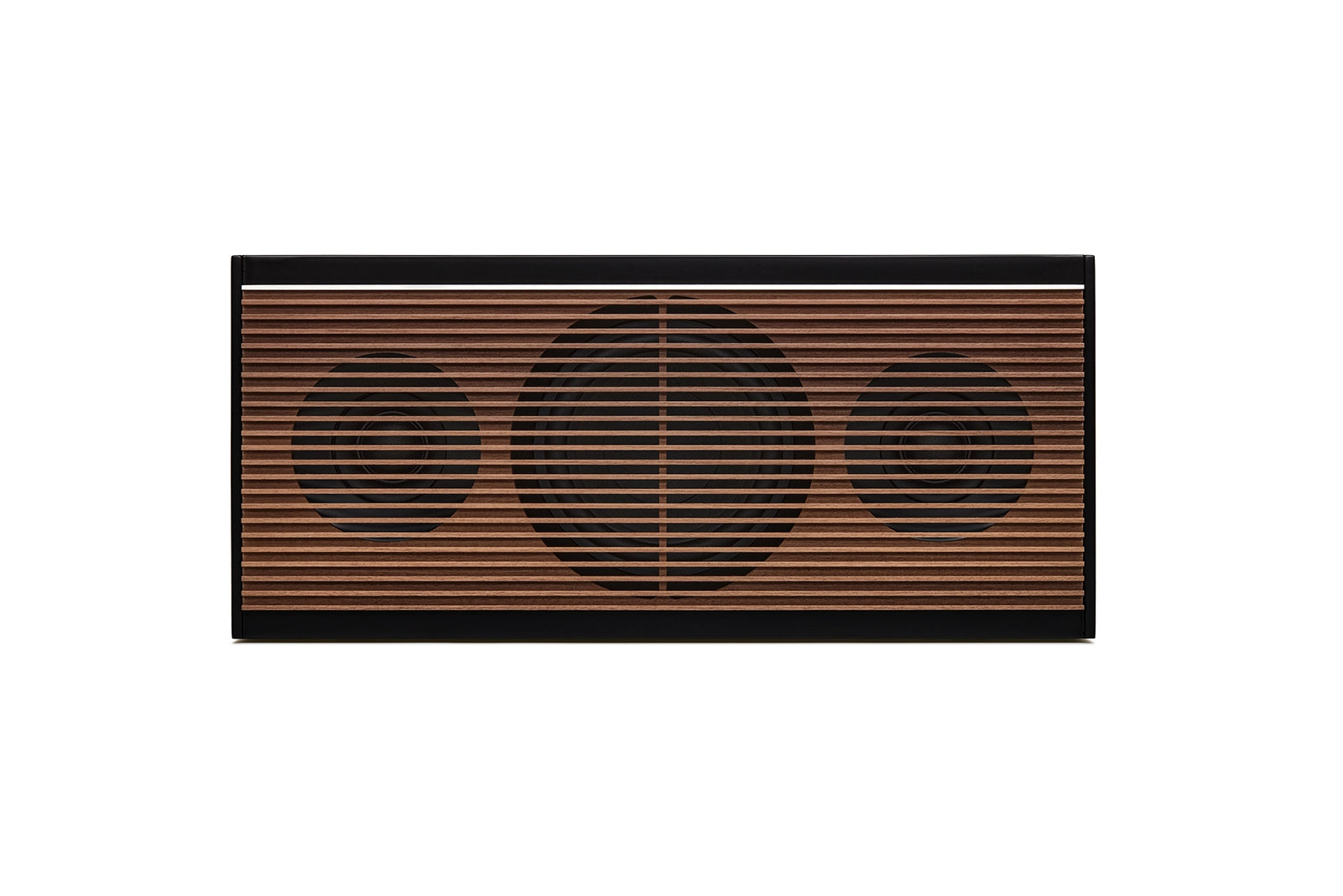
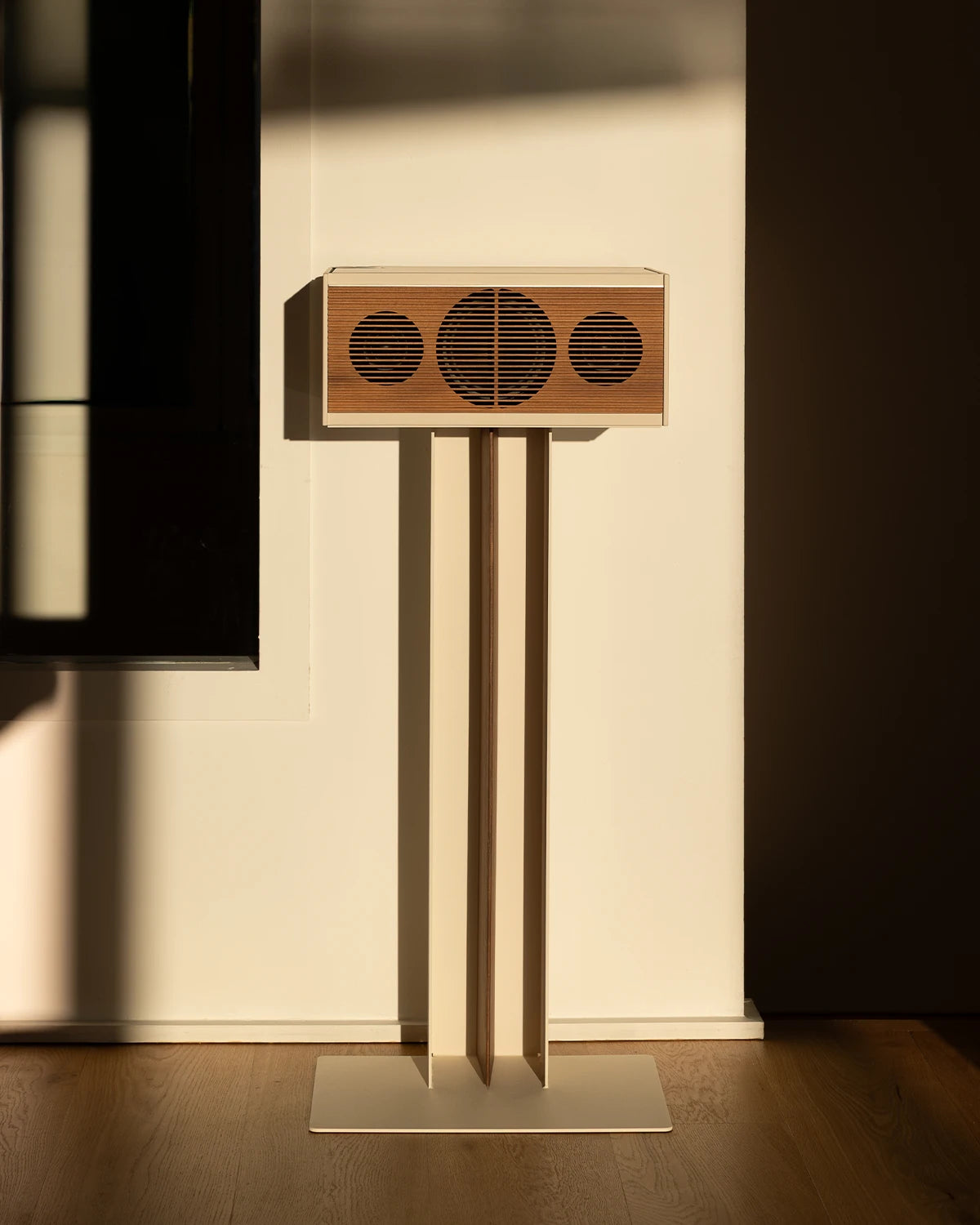
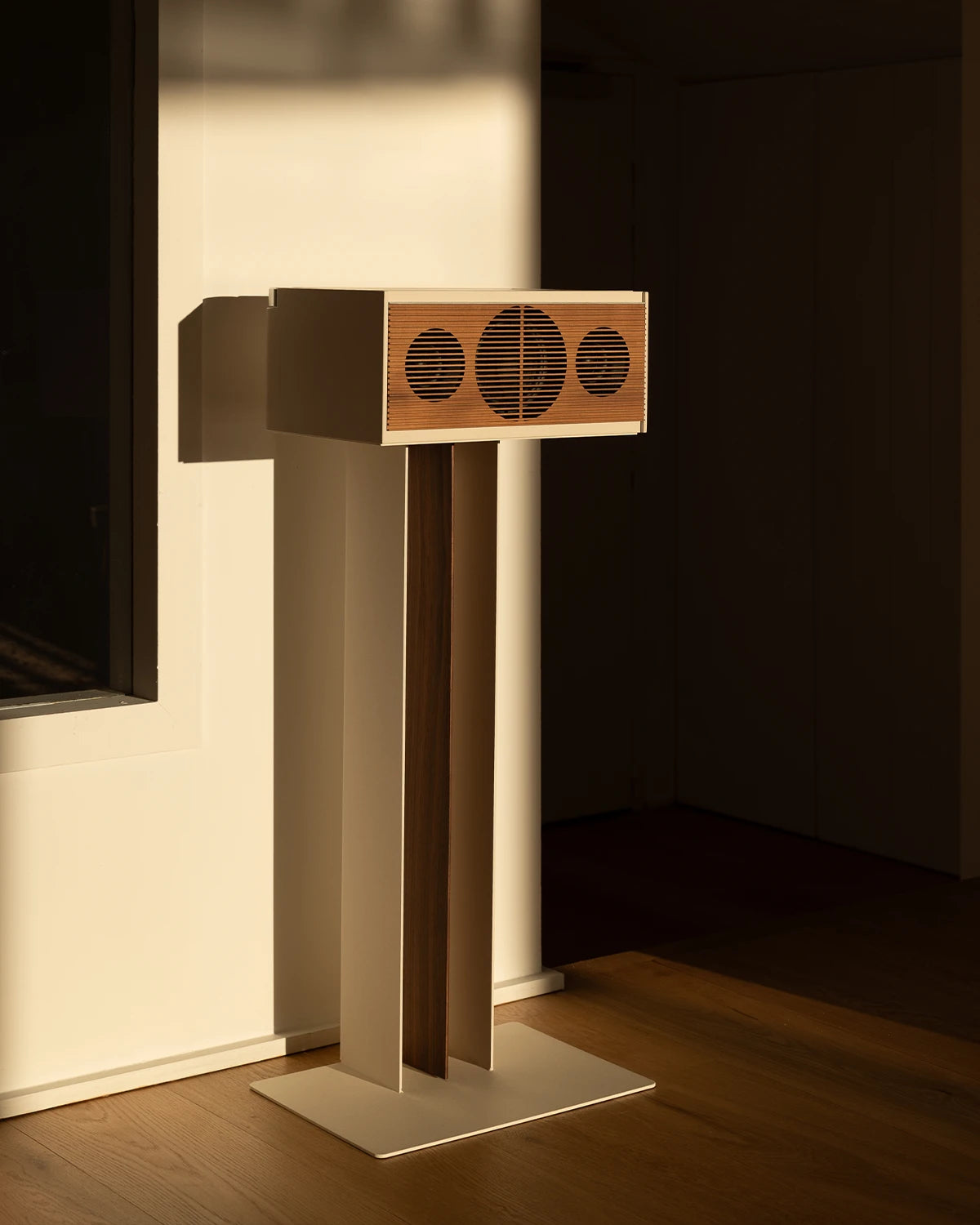
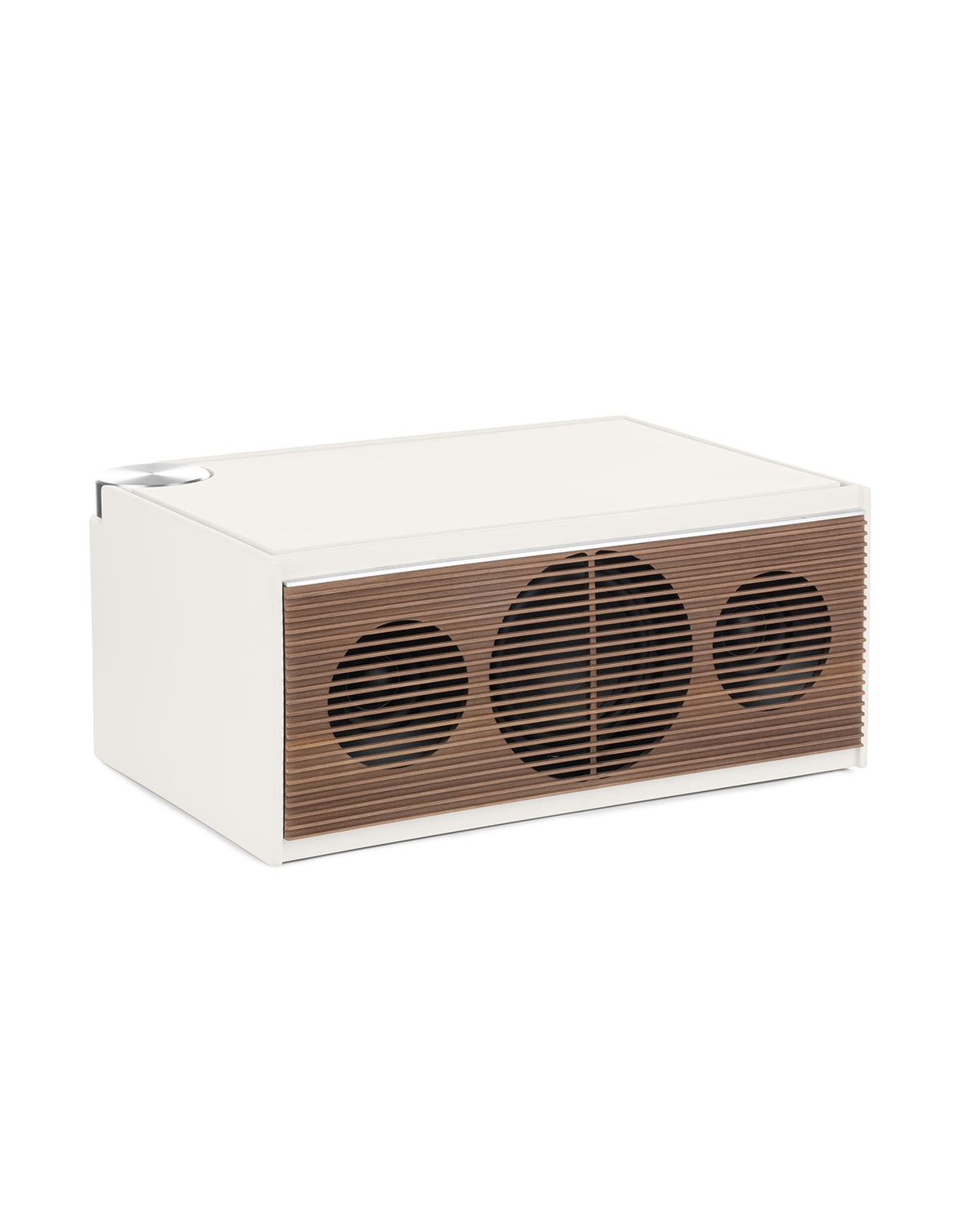
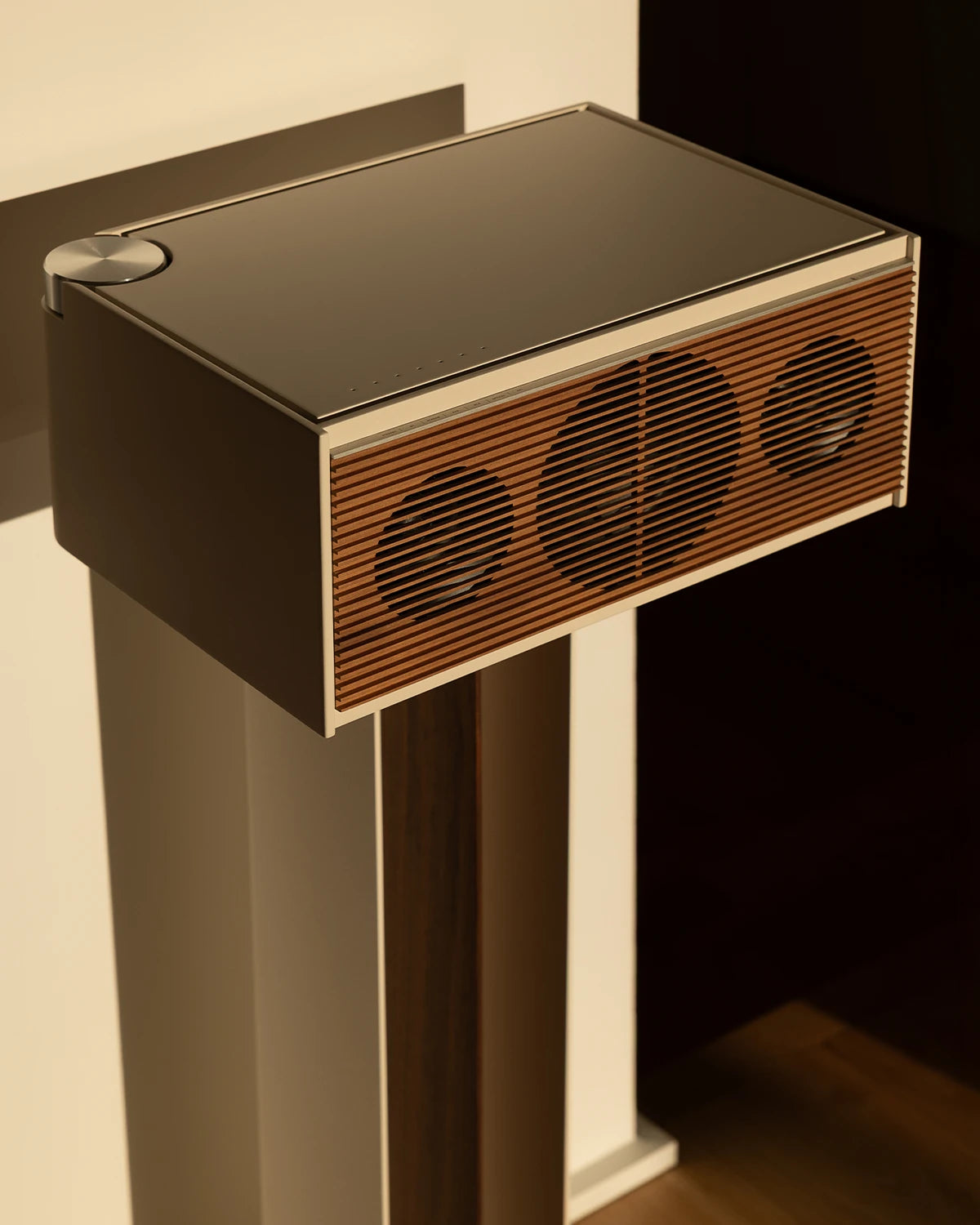
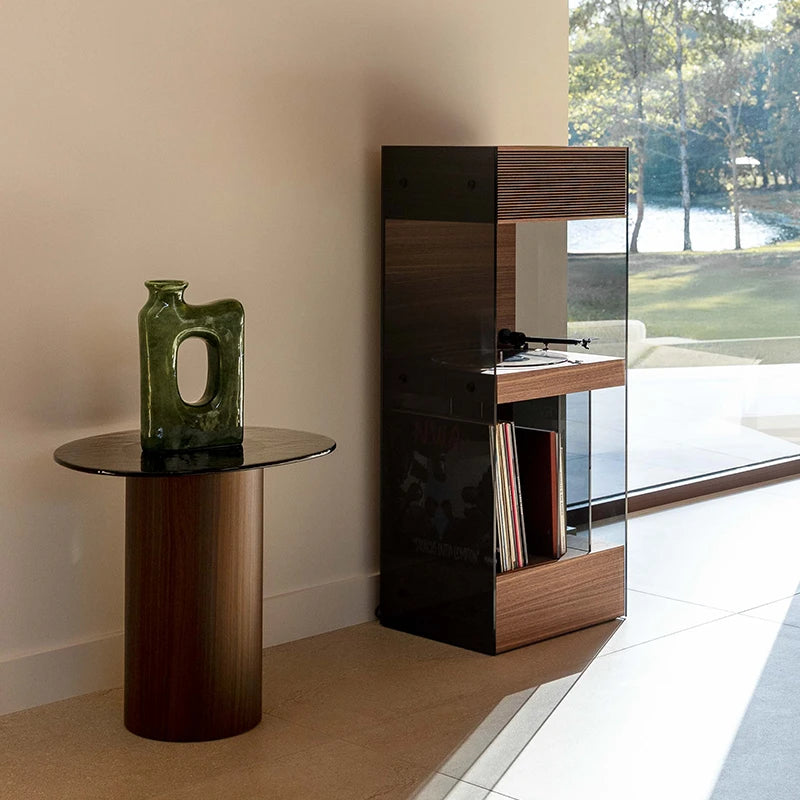
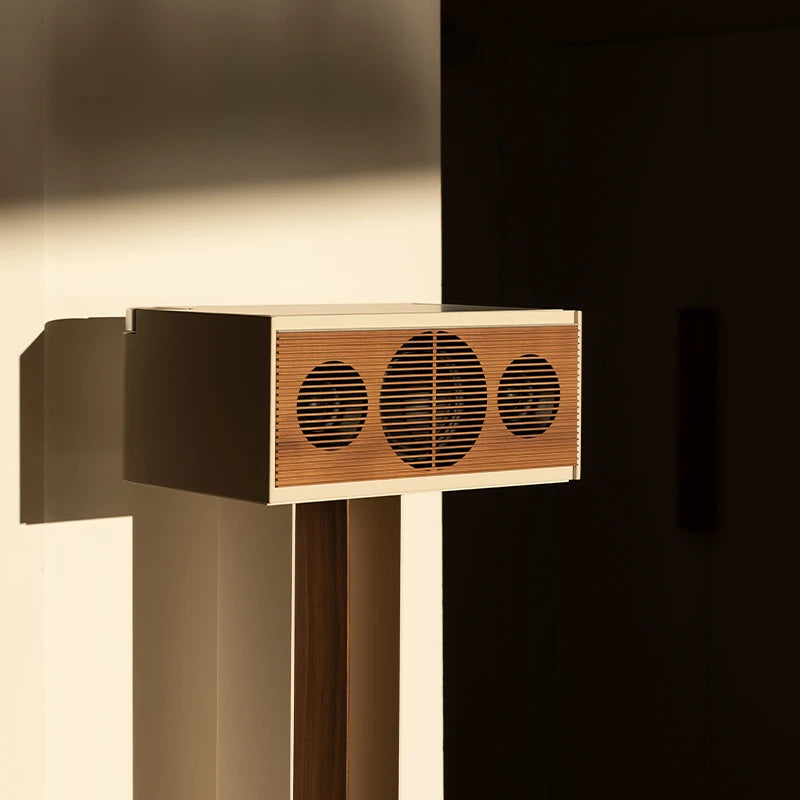
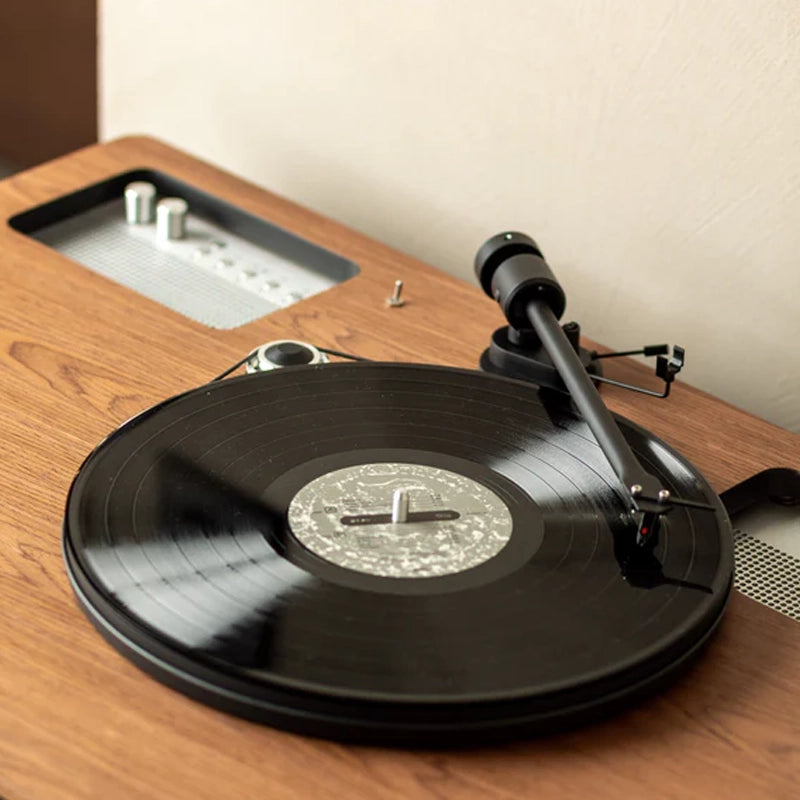
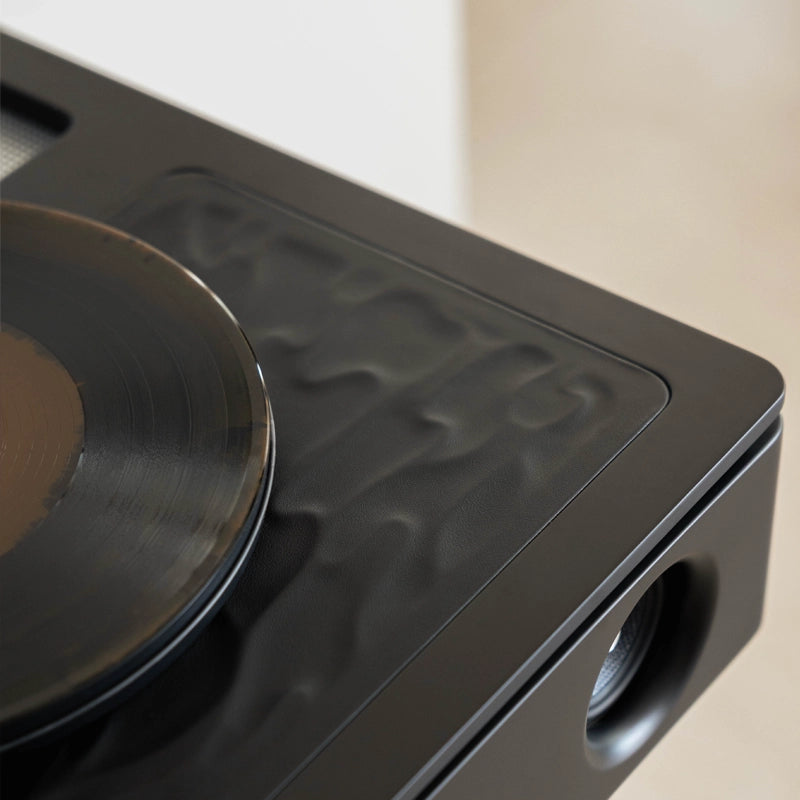
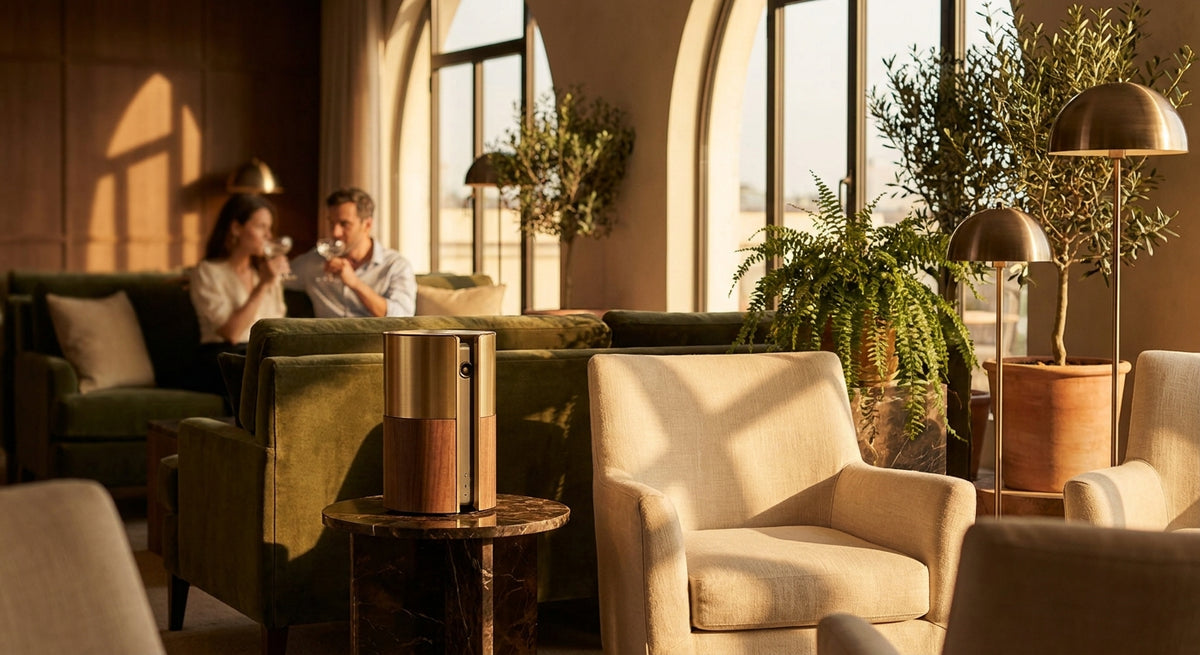
The high-fidelity design approach turns this logic on its head. The speaker is no longer hidden away; it stands on its own as a decorative object in its own right, just like a work of art or a designer piece of furniture. The “Aesthetic Audio” trend, which is gaining significant traction in 2026, confirms this shift: premium establishments are seeking speakers that appeal as much to the eye as to the ear.
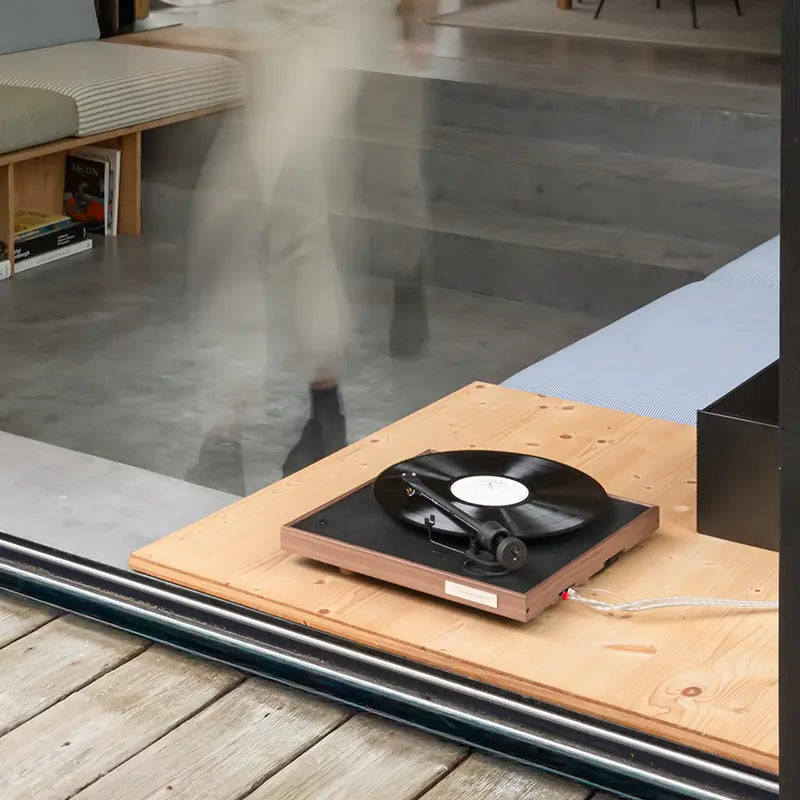
The difference in sound reproduction is noticeable, even at low volumes in a fine-dining setting. Accurate tonal reproduction, an open soundstage, and preserved dynamics: these are the qualities that transform background music into a true sensory experience. Contrary to popular belief, high-end home Hi-Fi speakers are perfectly suited for continuous professional use, provided they are designed for that purpose.
At La Boite concept, we already supply our full product line to numerous hotels and restaurants. This real-world experience confirms the durability, reliability during extended use, and adaptability of our designer speakers in the hospitality industry.
The Golden Rules of Professional Sound Systems in Hotels and Restaurants
The basic rule is simple to state but more difficult to put into practice: use multiple low-level sound sources rather than pushing a few speakers to their maximum volume. This is the key to a consistent, immersive, and non-fatiguing sound experience for both customers and staff.
Target sound levels vary depending on the space. For a fine-dining restaurant, aim for 55 to 62 dB(A) using 2- to 6-watt speakers spaced 3 to 3.5 meters apart. In hotel hallways, the target level drops to 50–58 dB(A)—just enough to accompany movement without being intrusive.
The tempo and volume should be adjusted according to the time of day and the type of clientele. A relaxed brunch calls for a slow tempo and a subdued volume. Evening service increases slightly in intensity. A happy hour or late-night lounge allows for more sound and dynamic range.
Spaces with distinctive architectural features (stone vaults, glass roofs, large open areas) present specific acoustic challenges. This is precisely where exposed designer speakers come into their own: they allow the sound to be directed exactly where it is acoustically effective, without being restricted by a suspended ceiling.
Think of your sound identity as a key component of your brand. Creating a sound signature that aligns with your establishment’s positioning requires faithful Hi-Fi reproduction capable of capturing the nuances of a carefully curated playlist.
multiroom Wi-Fi: The Professional Standard for Multi-Zone Installations
Bluetooth has its merits for personal use, but it quickly reveals its limitations in a professional setting. For a multi-zone hospitality installation (lobby, restaurant, bar, patio, spa, guest rooms), Wi-Fi stands out as the technology of choice for three reasons: connection stability, extended range, and seamless synchronization between zones.
The figures confirm this widespread adoption. 37% of hotels are already deploying multiroom systems across five or more zones. 41% of restaurants use multiroom to manage their background music. The global market for multiroom wireless speakers is projected to exceed 7 billion euros by 2025 and is growing at a rate of 9.2% per year.
For boutique hotels and fine-dining restaurants, the multiroom —which operates without a central amplifier—is a particularly well-suited solution. Each speaker operates independently over the Wi-Fi network, eliminating the need for a bulky and expensive audiovisual system.
The convergence of audio and home automation opens up even more possibilities. Compatibility with KNX, Control4, and Matter protocols allows for the creation of automated ambiance scenes: sound, lighting, and temperature adjust simultaneously based on the time of day, zone, and customer profile. La Boite concept ’s connected technologies (native Wi-Fi, AirPlay, multiroom management) natively meet these requirements for multi-zone hospitality installations.
What noise zone applies to your type of establishment?
Boutique hotel (10 to 30 rooms): Focus on 3 to 5 priority areas. The lobby, the restaurant or bar, and the terrace form the foundation. Visible, stylish speakers reinforce the property’s decorative identity while ensuring high-quality sound reproduction.
Fine-dining restaurant: The layout includes the main dining room, the waiting area, and the terrace. Each area requires independent control of lighting levels and ambiance, tailored to the pace of service.
Bar lounge: The clientele is discerning, and the listening experience is more attentive. The sound reproduction must be dynamic, with a wide soundstage. This is where Hi-Fi quality makes the most noticeable difference.
Whether it's a palace or a luxury hotel: the integration is comprehensive, multi-zone, with centralized control and home automation compatibility. The stylish speakers become integral design elements in their own right, enhancing the overall experience.
Our recommendation: Start with areas that have a high customer impact (lobby and restaurant), then gradually expand to secondary spaces. This approach allows you to validate the acoustic and aesthetic choices before implementing them throughout the facility.
FOLO and the " La Boite concept " line: when the Orient Express meets the standards of the hospitality industry
We developed the FOLO speaker specifically for the Corinthian Orient Express, the world’s largest luxury sailing yacht. This 220-meter vessel, designed by Accor and LVMH, features 54 suites, 5 restaurants, and 8 bars. It set sail in May 2026. Designing a speaker for such a project means meeting the highest standards of the ultra-luxury hospitality sector: impeccable acoustic performance, durability in demanding environments, and seamless design integration.
FOLO is also available to professionals in the hospitality industry (hotels, restaurants, and bars), with dedicated support through CC LAB, our B2B offering. From acoustic consulting to installation, our teams provide tailored support for every project.
Our entire product line is suitable for professional use: Wi-Fi, AirPlay, and native multiroom . Each speaker is designed, developed, and assembled at our Manufacture du Son in Hossegor, in the Landes region. This French heritage isn’t just a marketing pitch—it’s the reality of expertise dating back to 1938, when SIARE® was founded. More than 80 years of family-owned acoustic heritage.
Our speakers have won the Red Dot Design Award and the Diapason d'Or. Our collaborations with renowned designers (Samuel Accoceberry, Iratzoki Studio, Supakitch, Koralie Carmen Flores) ensure products that blend seamlessly into even the most discerning interiors. “Made in France” serves as an authentic premium selling point in the hospitality industry, which is seeking differentiation and authenticity.
Where to Start? The Key Steps to a Successful Sound System Project
- Map the areas: Identify each space and set target noise levels based on its use (reception, dining, relaxation, traffic).
- Choosing a speaker style: hidden in-wall speakers or stylish surface-mounted speakers? This choice depends on your decorating strategy and the look you want to achieve.
- Set up the network infrastructure: A dedicated Wi-Fi 6 network is recommended to ensure the stability of the multiroom and smooth multi-zone management.
- Plan for centralized management: a dedicated app, home automation integration, or a hotel management interface. Ease of use in everyday life is just as important as sound quality.
- Work with a specialized B2B partner: La Boite concept ’s CC LAB supports hospitality industry professionals from the initial consultation through to installation, offering practical expertise in acoustics and design.
One last tip: always test the sound reproduction in the actual space before giving final approval. The acoustics of a venue with character can hold surprises—both good and bad. It’s better to discover them before the opening.