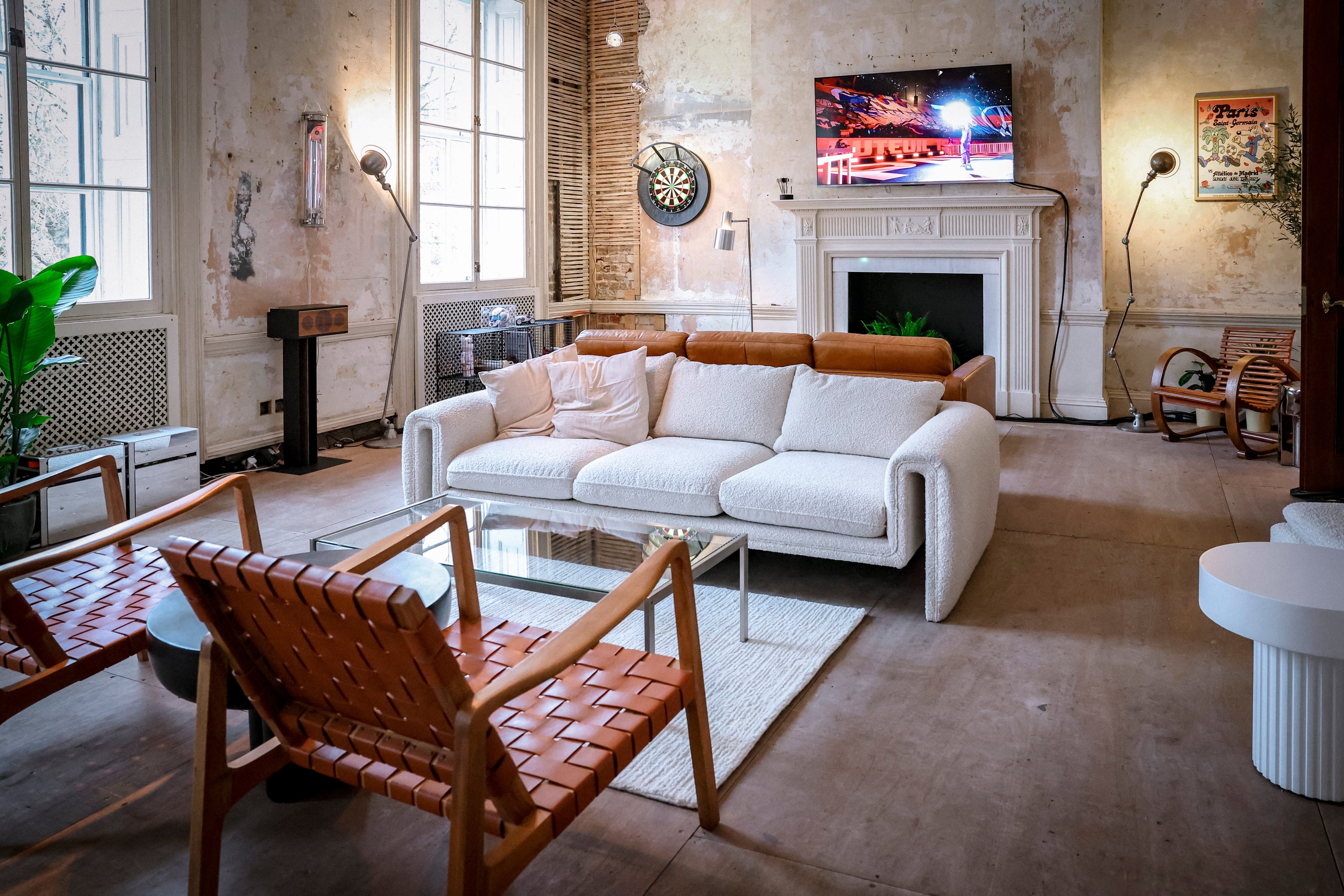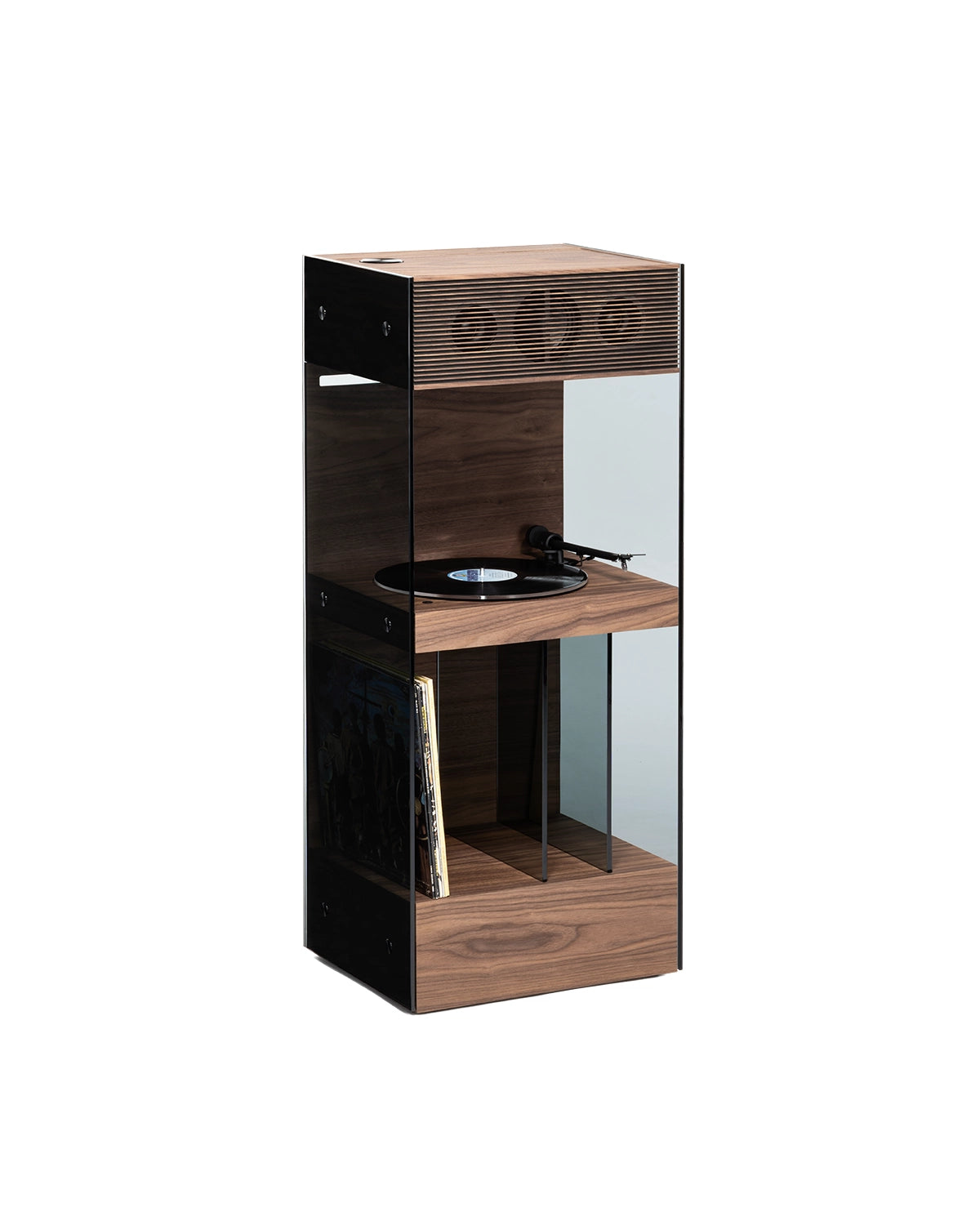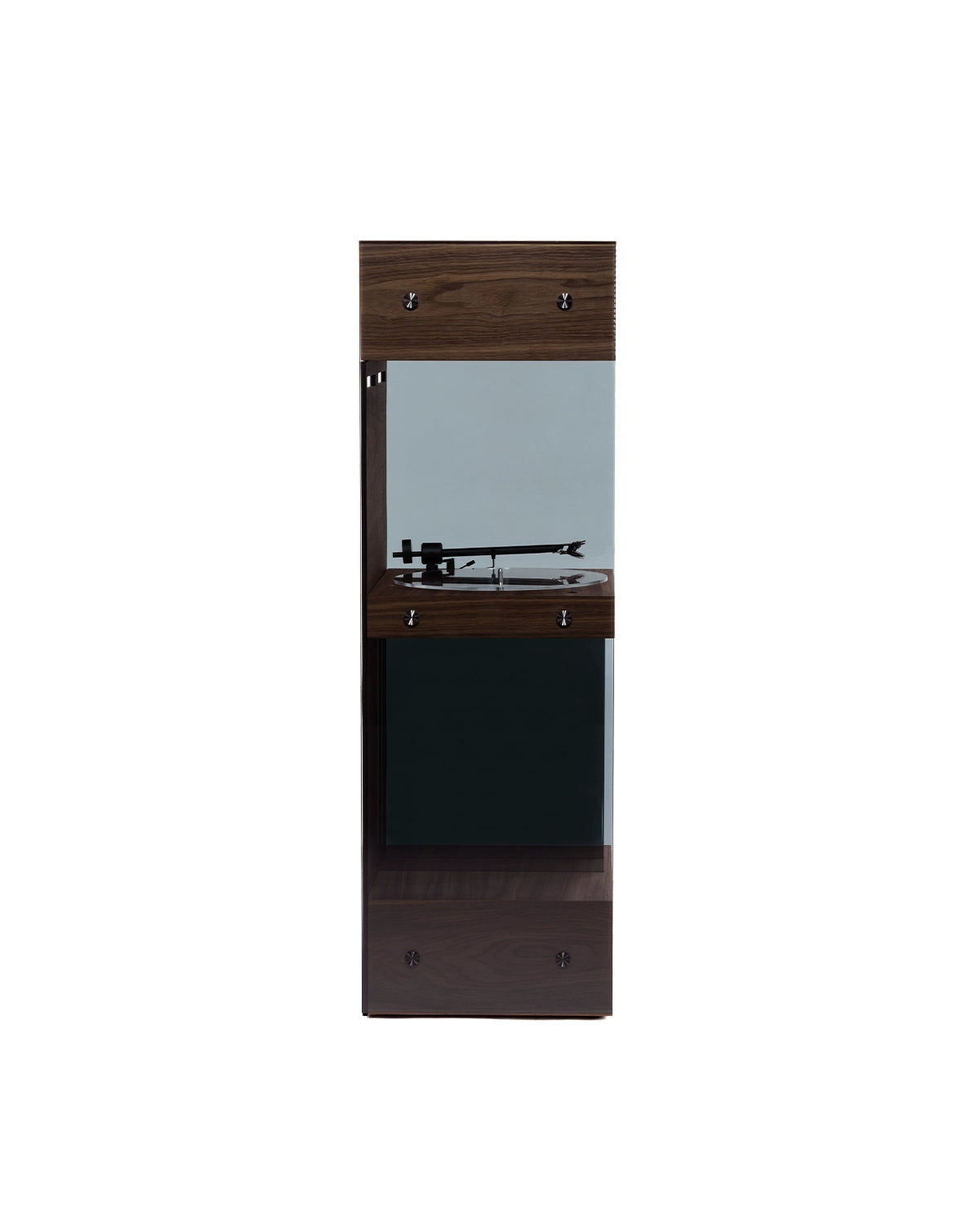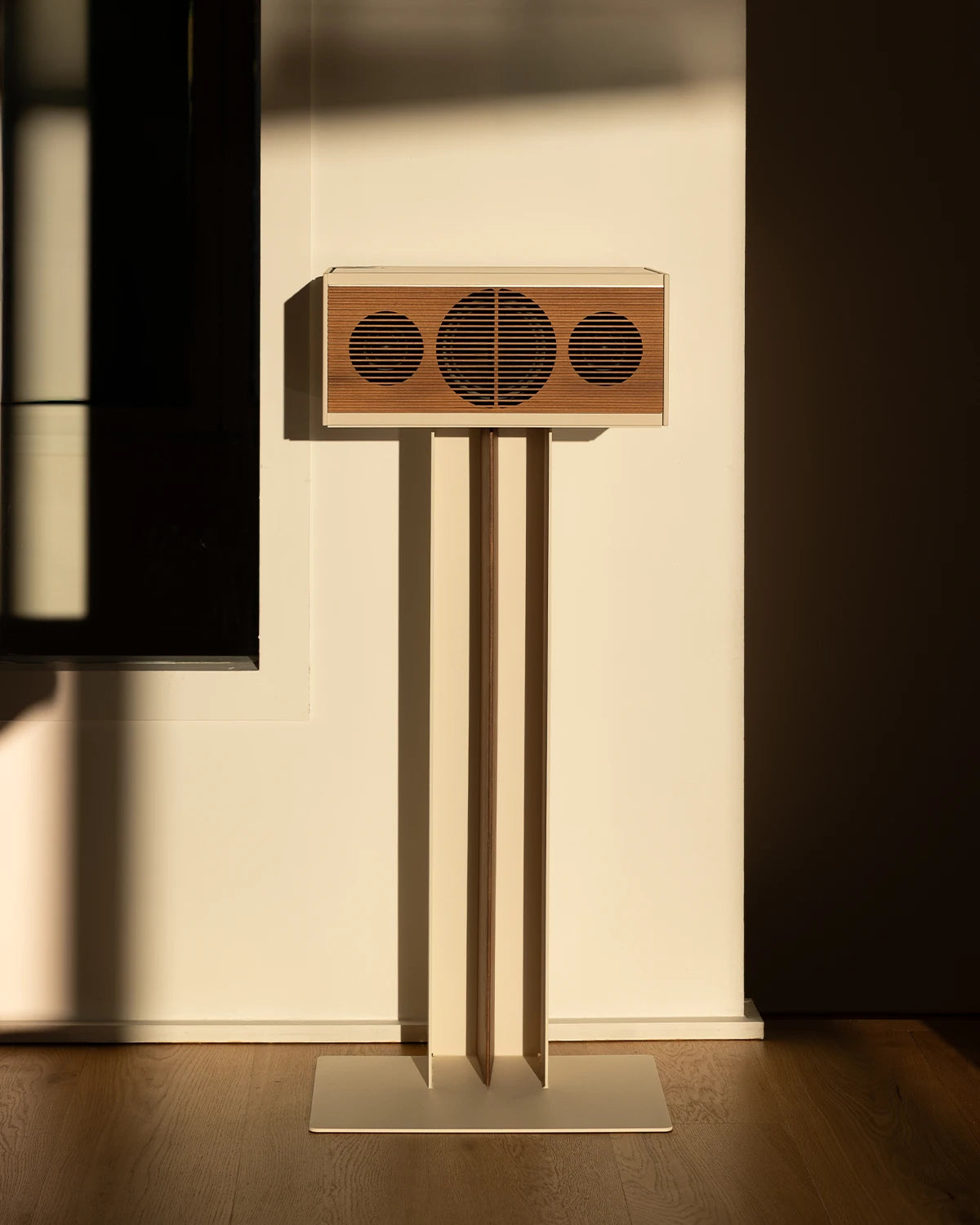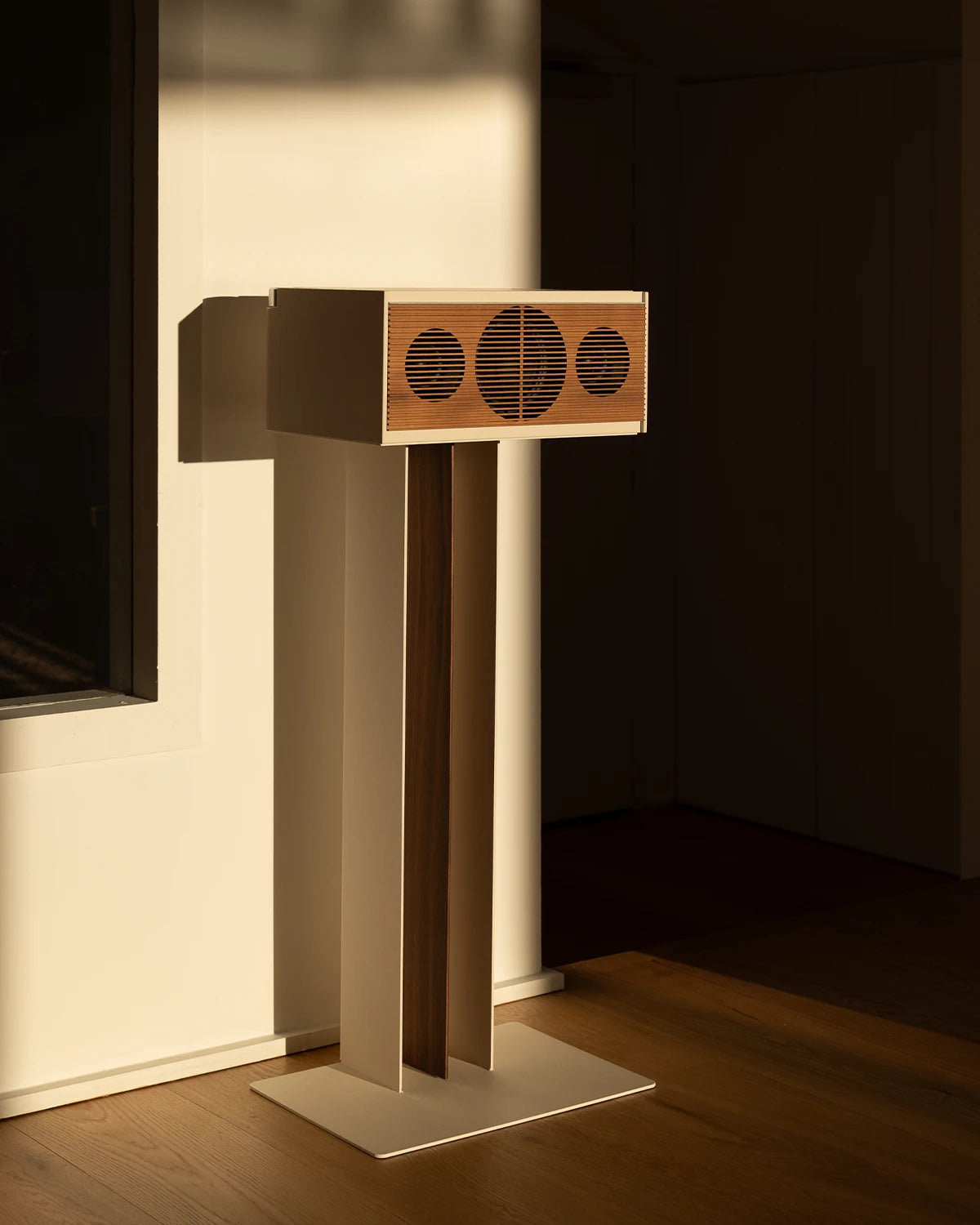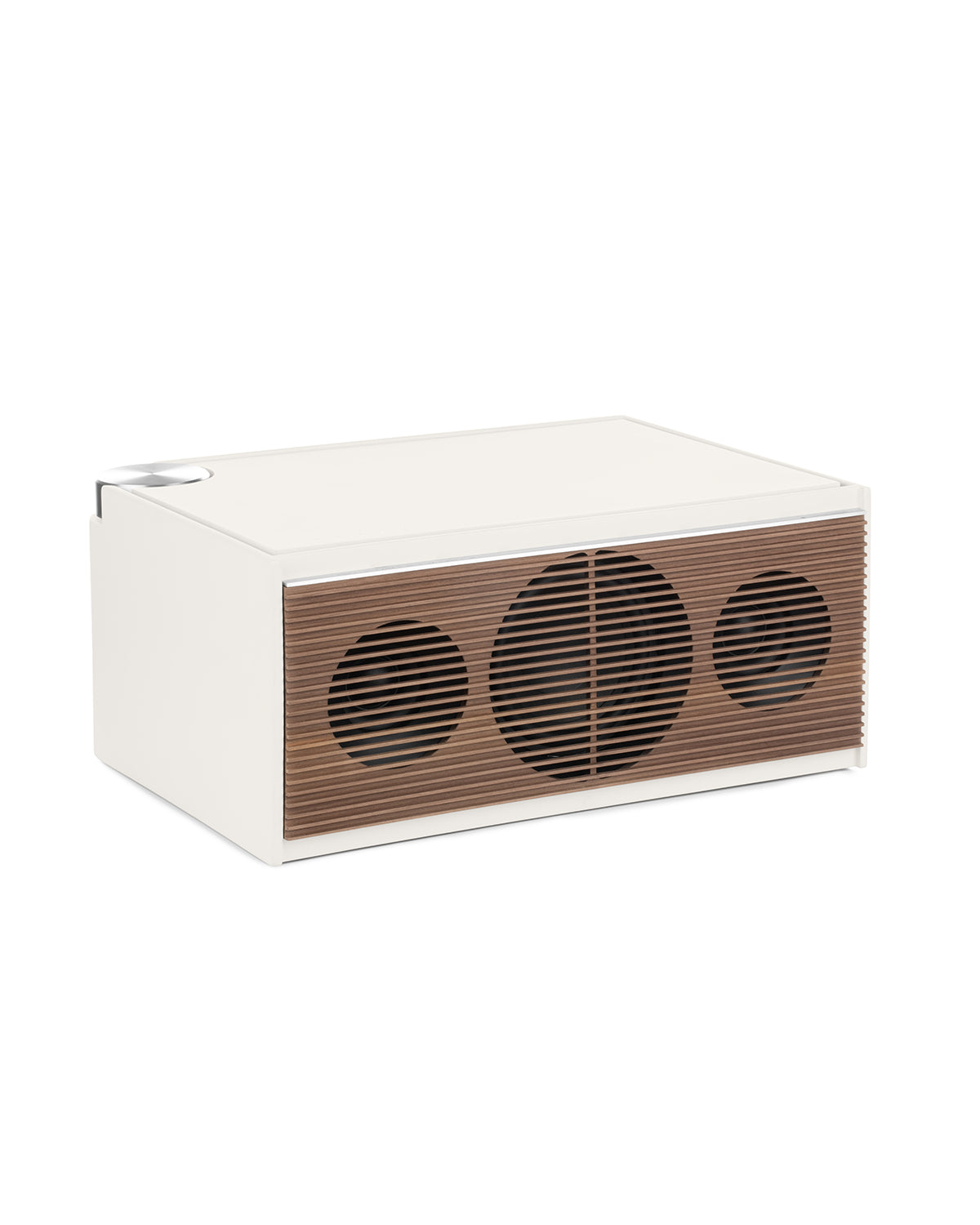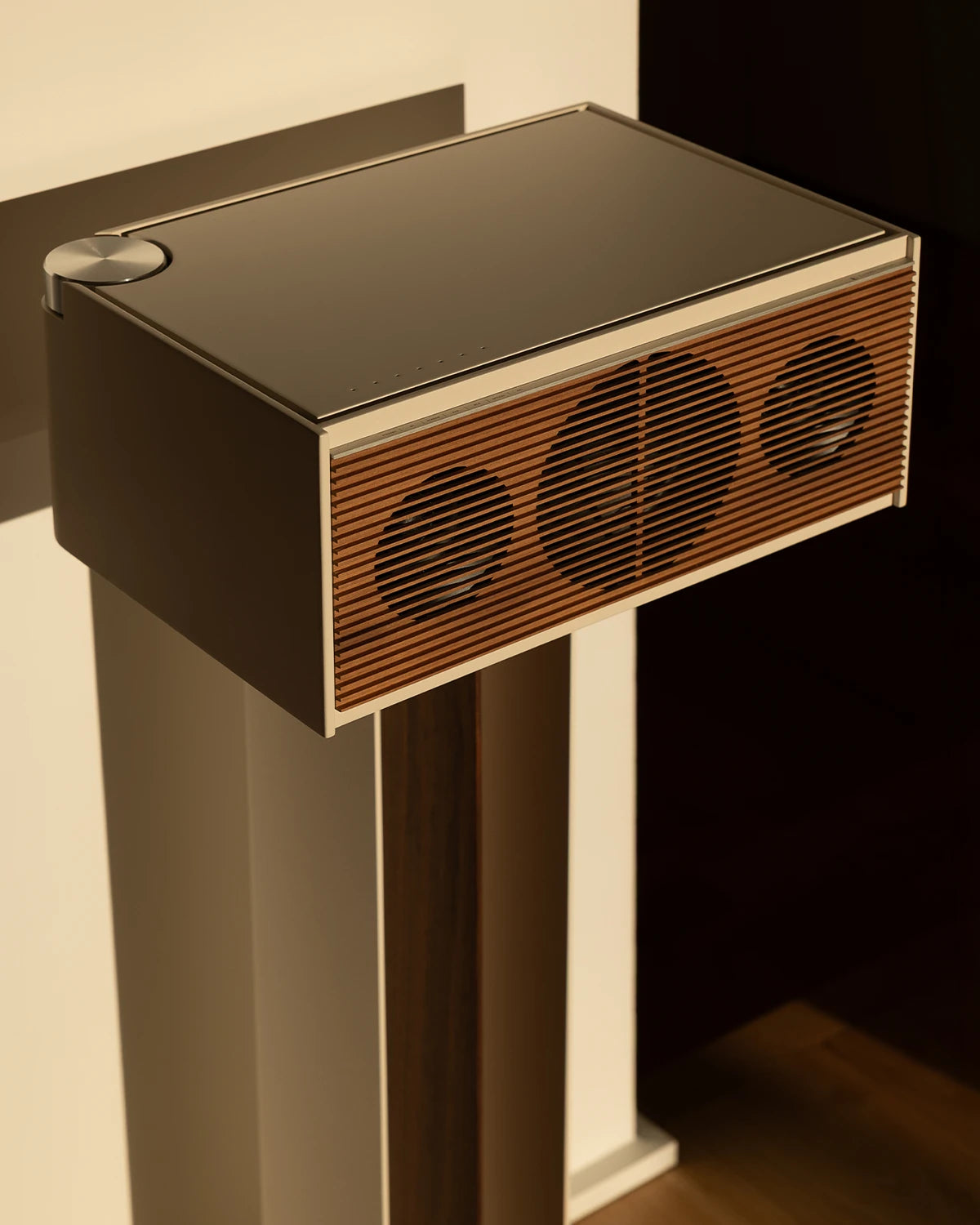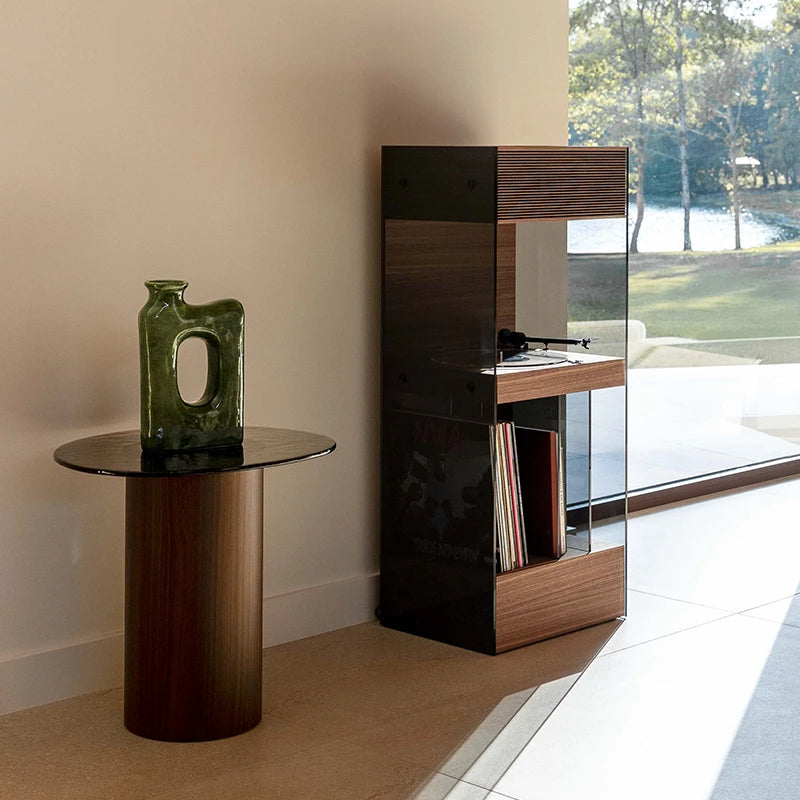

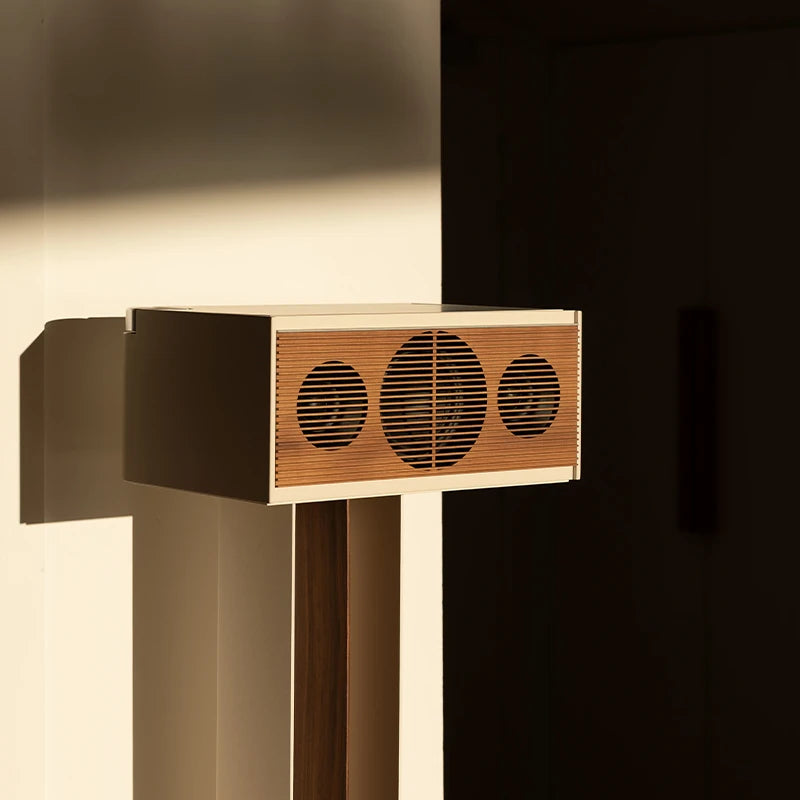
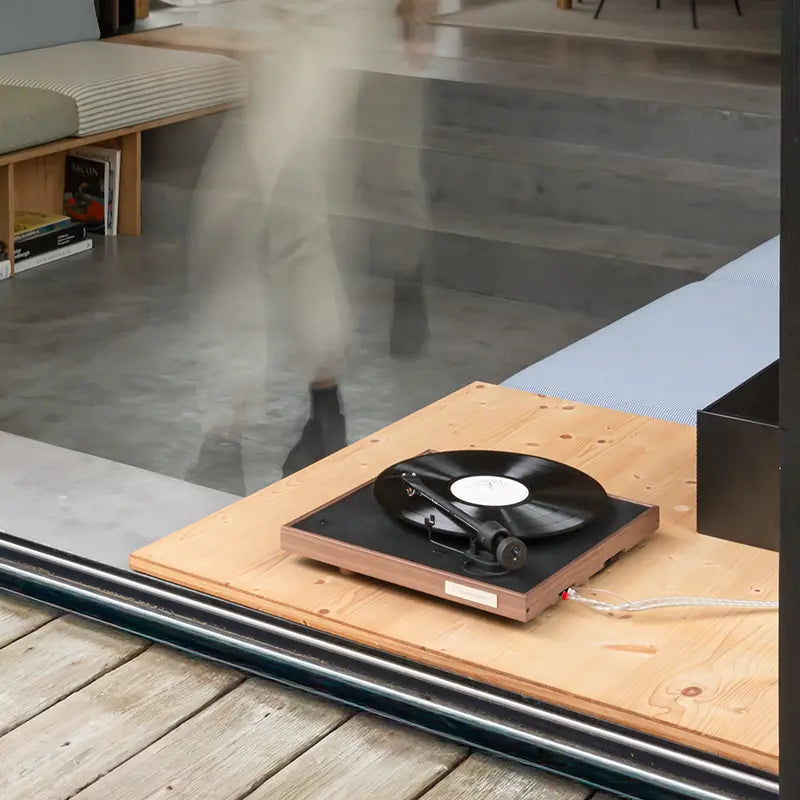
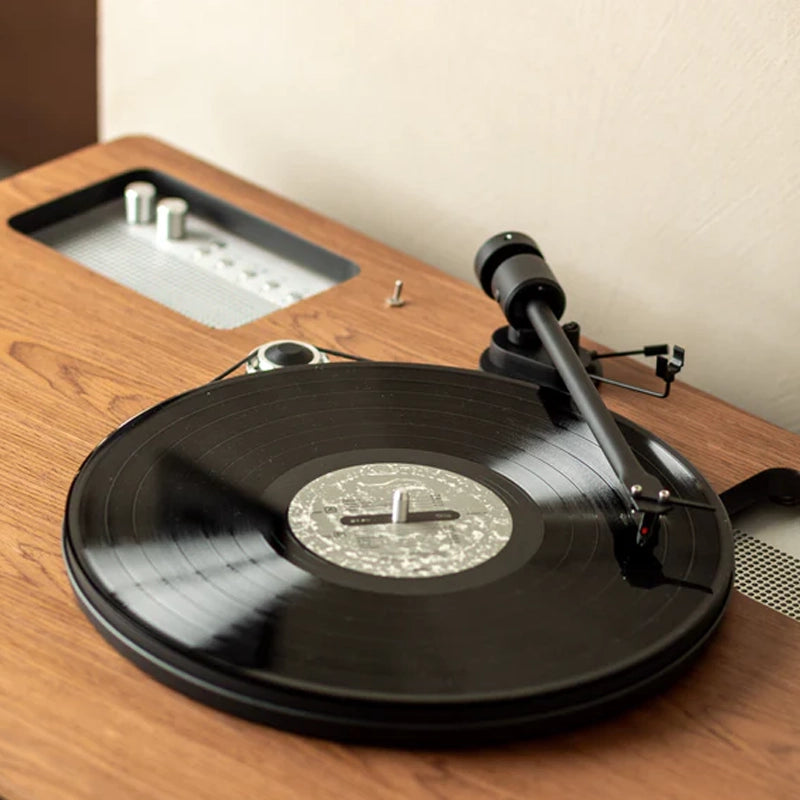


A passive speaker requires an external amplifier to operate, whereas an active speaker has its amplifier built right into the enclosure. This technical choice involves much more than just a matter of wiring; it defines your listening philosophy, your overall budget, and your room for future upgrades.
What the technology really says
In apassive speaker system, the crossover is constructed using passive components—resistors, capacitors, and inductors—sized to match the specific speakers. The amplified signal is fed into the crossover, which routes it to either the tweeter or the woofer. Simple, robust, and proven over decades in high-fidelity audio.
In a active speaker, the filter sections are active (integrated circuits, operational amplifiers), placed in upstream amplification. Each channel—bass, midrange, and treble—has its own dedicated amplifier. This separation eliminates energy loss in the passive crossover and allows for much more precise control over the behavior of each speaker.
Advantages & Limitations - Comparison Chart
| Criterion | Passive speaker | Active speaker |
|---|---|---|
| Amplification | External, optional | Integrated, optimized |
| System flexibility | Maximum (amplifier selection) | Limited to in-vehicle electronics |
| Implementation | Requires expertise | Plug and play |
| Scalability | Amplifier upgrade available | Firmware update only |
| Dimensions | Complete system = bulkier | Compact all-in-one |
| Bass control | It depends on the amplifier | Manufacturer-optimized |
| Starting budget | High-end (amplifier + speakers) | All-inclusive |
| Longevity | Components available for individual replacement | Depends on the built-in electronics |
Why do audiophiles remain loyal to passive systems?
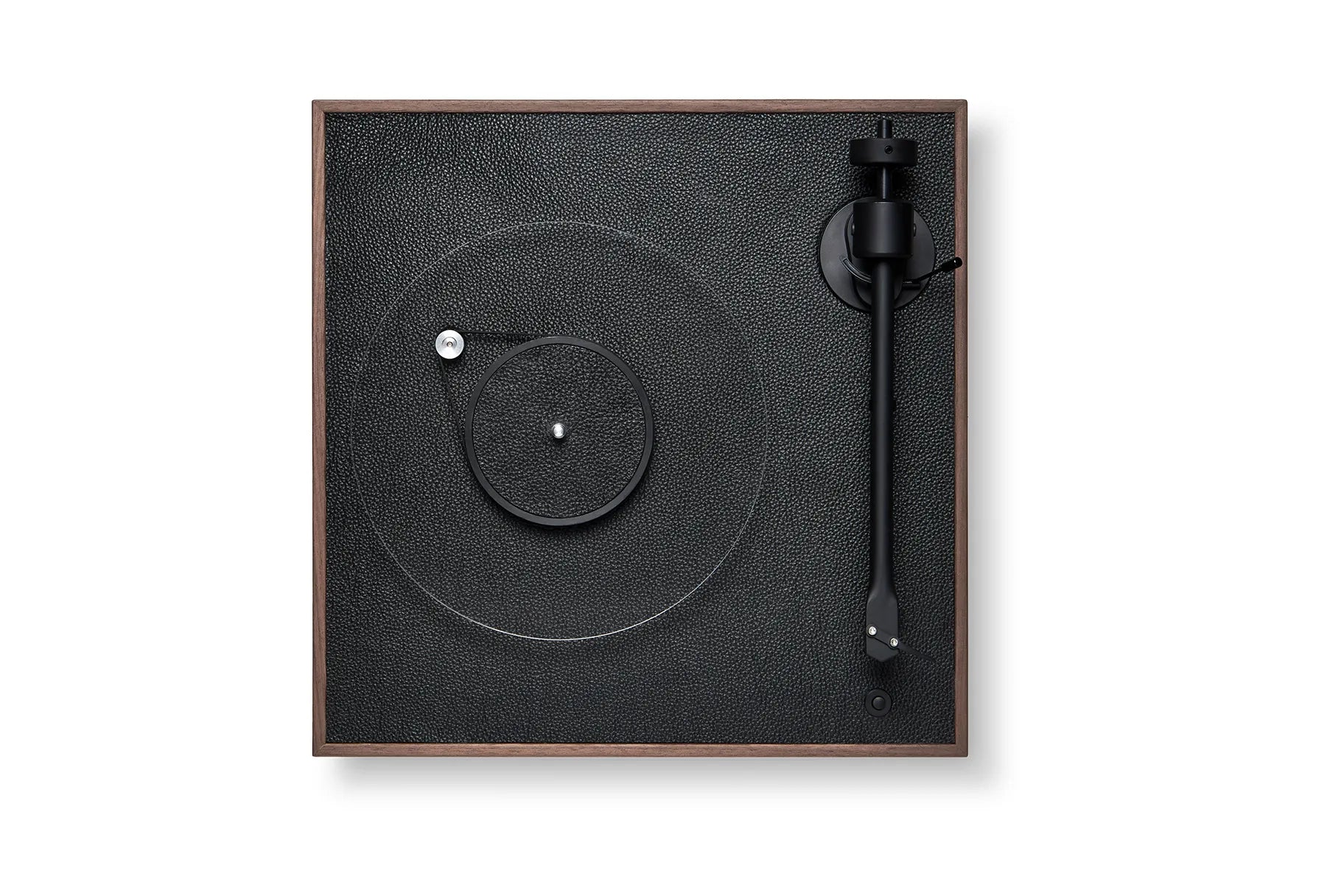
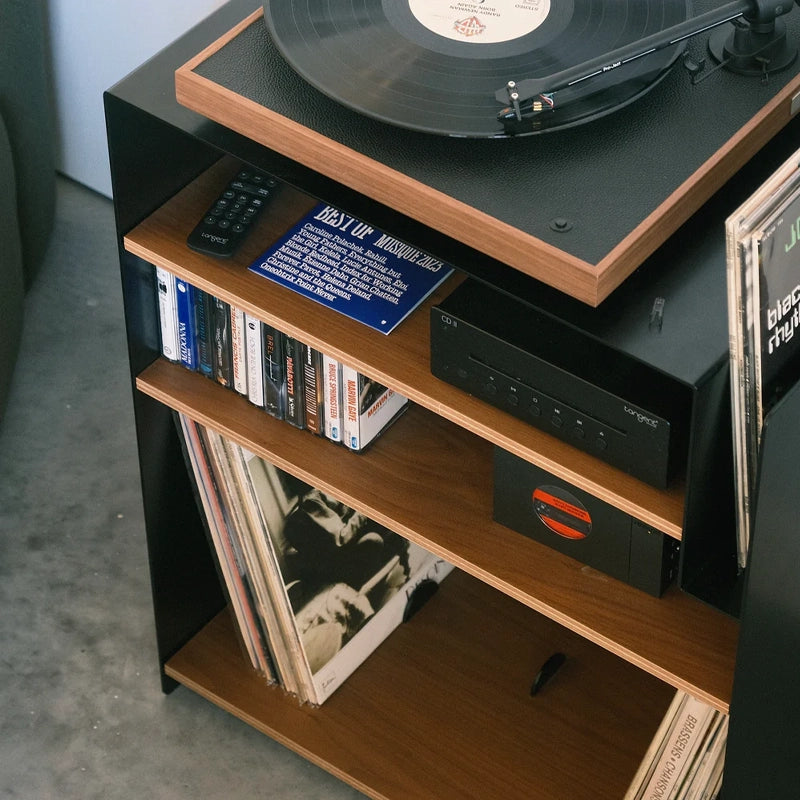
Passive speakers are the traditional domain of high-end Hi-Fi. They offer a freedom of combination that active speakers cannot match: pairing a speaker with a tube amplifier, a turntable , or an audiophile DAC is the very art of building a Hi-Fi system. Each component can be replaced or upgraded independently, which gives the system a potentially unlimited lifespan.
The listening experience itself becomes an active process. Choosing cables, adjusting the speaker placement, comparing different amplifiers with the same speakers: it is precisely this realm of exploration that fascinates the most discerning audiophiles.
Why has the active voice become the norm in contemporary usage?
Modern active speakers are no longer the functional compromise they once were. Today, manufacturers design their active crossovers with a thorough understanding of the drivers, allowing forprecise calibration thatis impossible to achieve with a universal passive crossover. The amplifier is precisely matched to the specific driver, down to the watt, eliminating compatibility issues or under-powering.
When it comes to connectivity, modern active speakers feature Bluetooth aptX HD, Wi-Fi, digital inputs, and sometimes DSP settings that can be configured via an app. Whether for a sleek living room setup, a home office, or high-quality on-the-go listening, active speakers deliver a complete and consistent experience without any visible compromises.

The Vision: La Boite concept
At La Boite concept, we design speakers that reject false trade-offs. Our active systems incorporate electronics selected to get the most out of each transducer, without ever sacrificing the sonic identity and aesthetics that define our DNA. We are currently developing passive speakers for listening with theMicromega M-AMP Solo amplifier. They are designed to fit into demanding audio systems where the user wants to maintain control over every component and will be available soon.
There is no one-size-fits-all solution. It depends on your space, your audio sources, and how much you’re willing to invest in amplification.

Frequently Asked Questions (FAQ)
Are active speakers better than passive speakers?
Not necessarily. The quality depends on the design of each product. Active speakers offer system consistency guaranteed by the manufacturer; passive speakers allow for complete customization of the system.
Can you connect a passive speaker directly to a phone or TV?
No. A passive speaker requires an external amplifier. Without it, no sound will be produced; a phone’s output level is insufficient to power the speakers directly.
Can active speakers compete with high-end passive speakers?
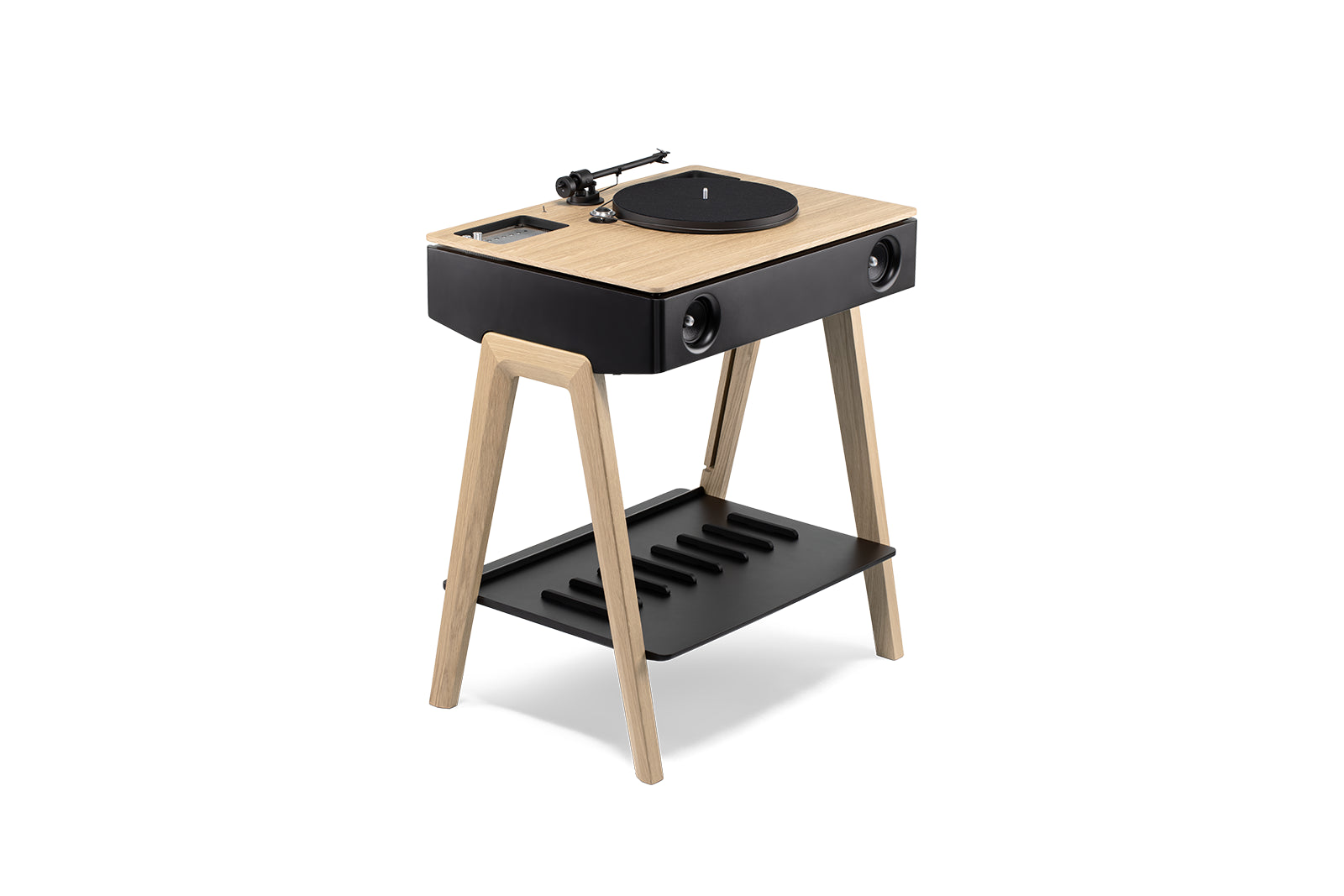
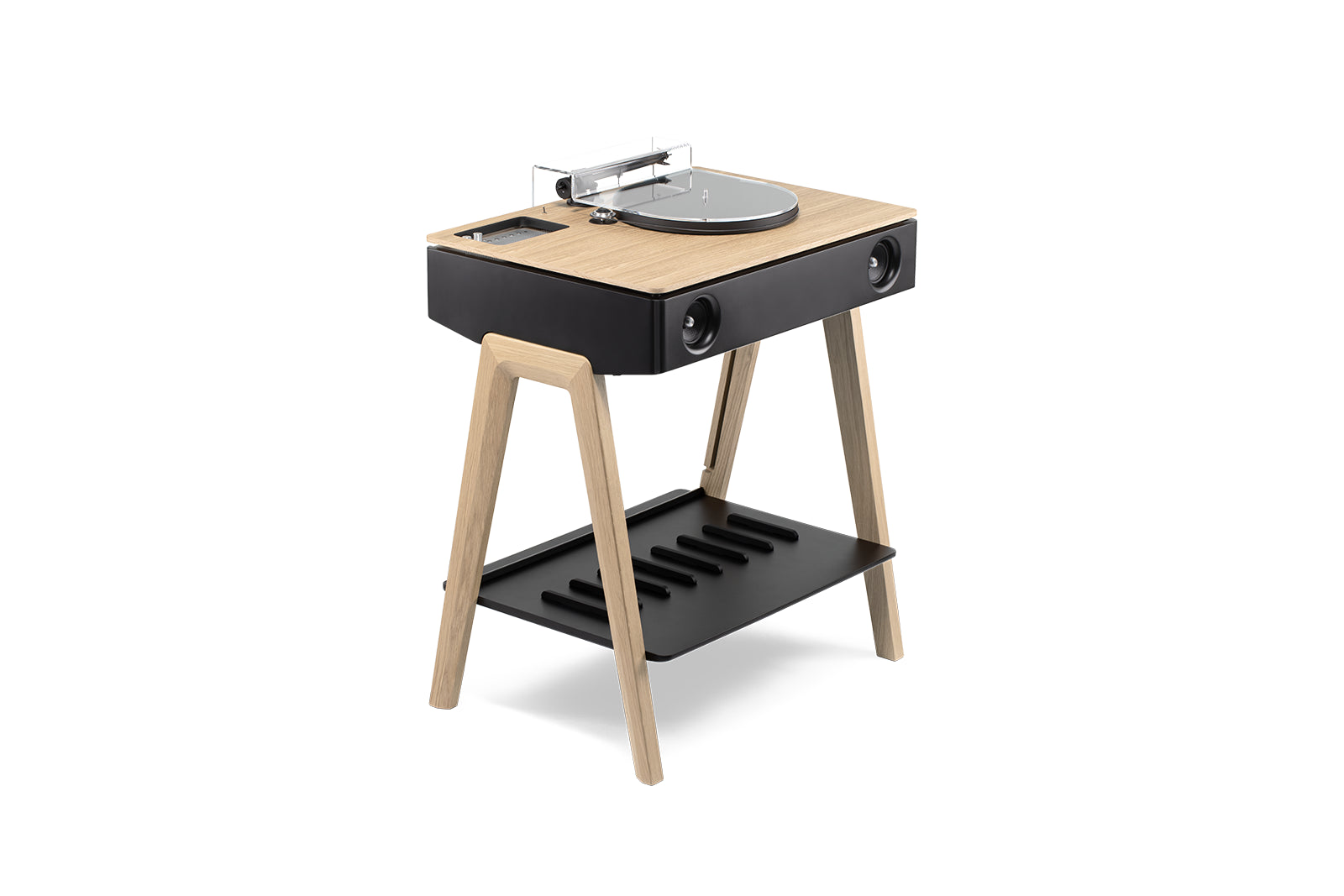
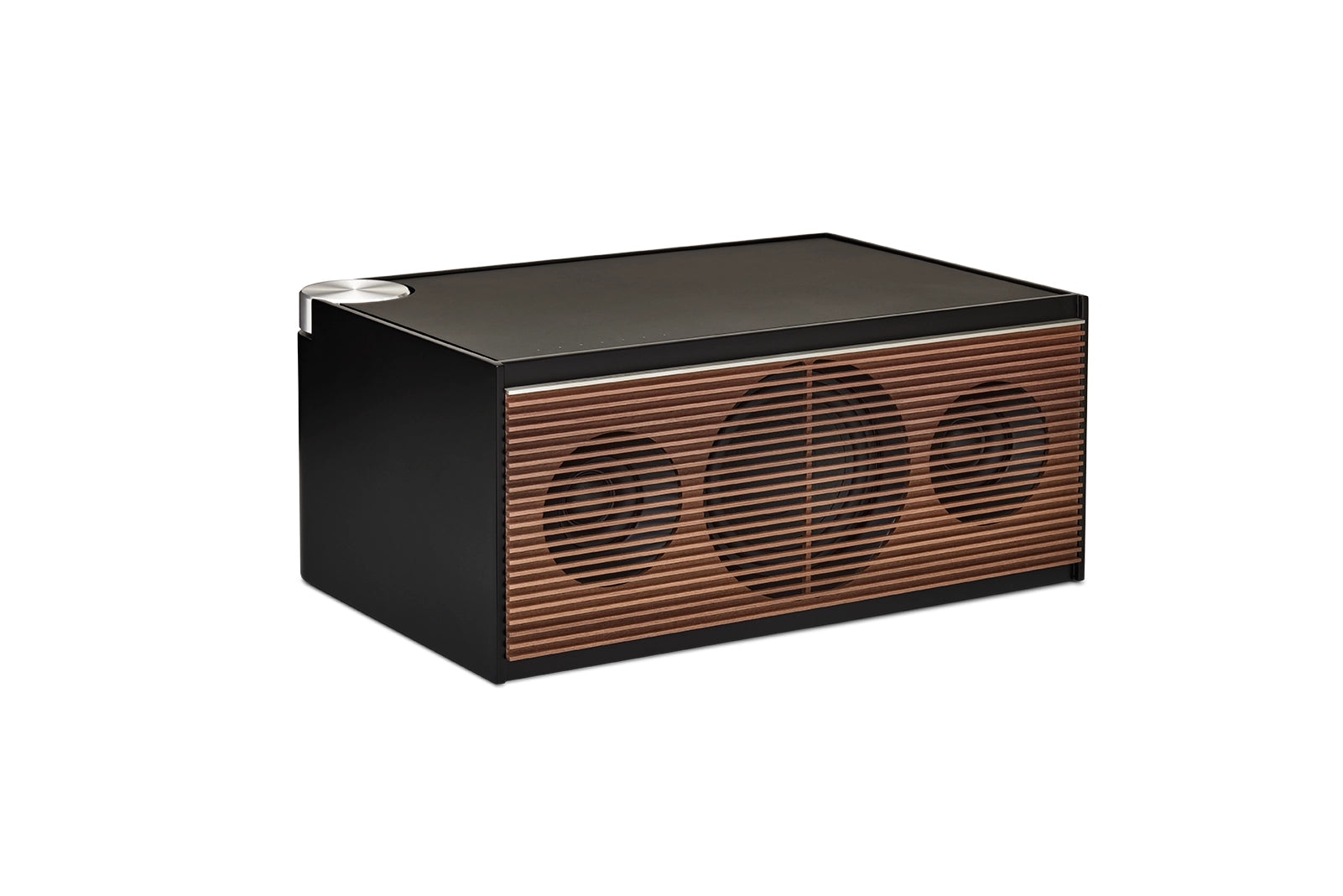
Yes. The PR Link, the PR Alta or the LX Turntable demonstrates that the active system can reach the pinnacle of high-fidelity, with a level of amplification control that few consumer passive systems can match.
What is a bi-amplified speaker?
It is a speaker with two built-in amplifiers, one for low frequencies and one for midrange and high frequencies. This configuration, common in professional studio monitors, is a type of multi-amplified active speaker.